

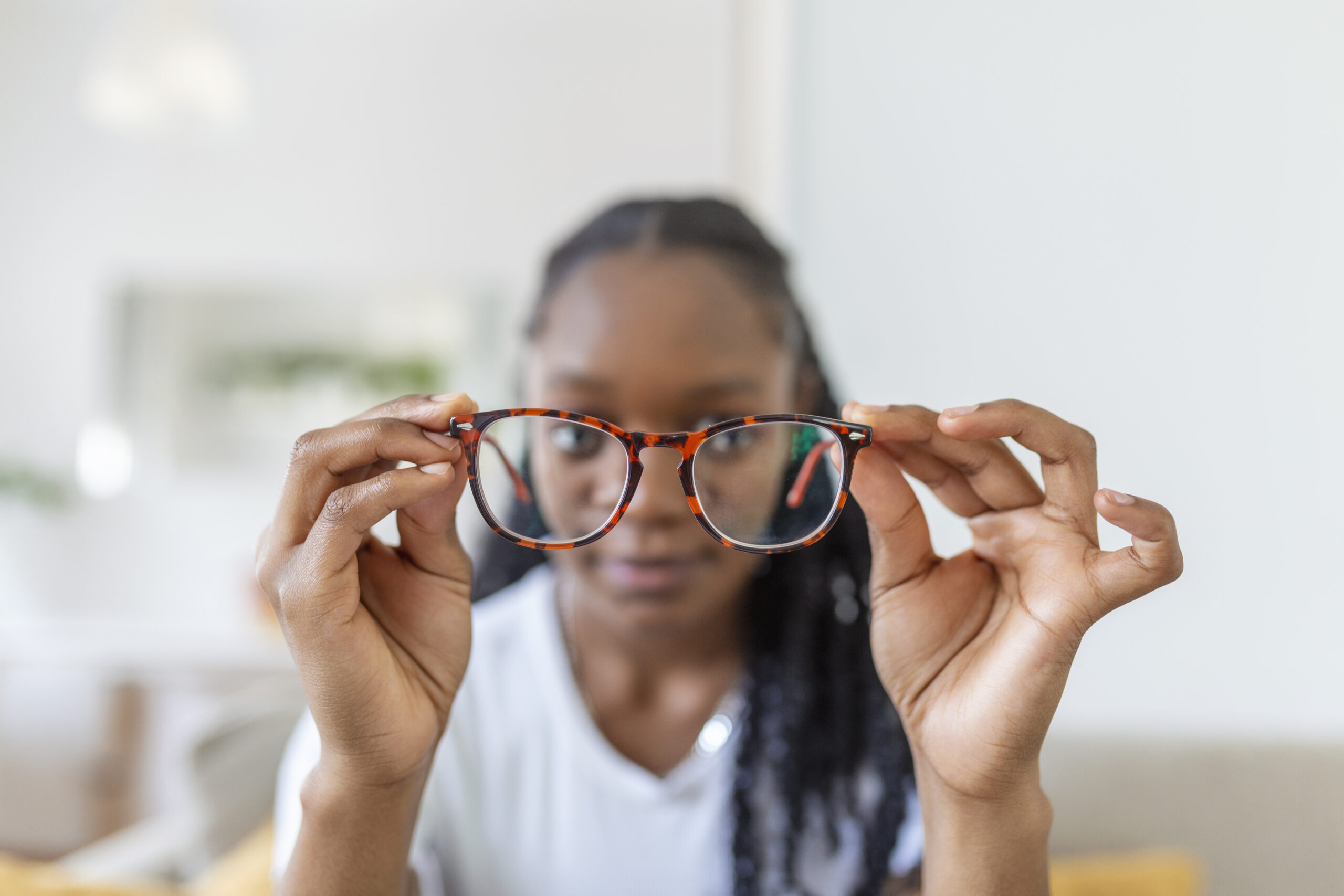
We often remember to care for our skin, hair, teeth and overall fitness, but the eyes can easily be overlooked. Yet, many of our everyday habits can affect how well we see and how comfortable our eyes feel.
From spending long hours on our phones to getting too little sleep, some lifestyle choices may contribute to eye strain, dryness and other vision problems. The good news is that small changes can make a meaningful difference.
- Too much screen time
Phones, laptops, tablets and televisions have become part of everyday life. Spending extended periods staring at a screen can leave the eyes tired, dry or uncomfortable. You may experience blurred vision, headaches or difficulty focusing after several hours.
Try the 20-20 -20 rule. Every 20 minutes, look at something about 20 feet away for at least 20 seconds. Remember to blink regularly and adjust your screen brightness so that it is comfortable for your eyes.
- Not getting enough sleep
Your eyes need rest too. Poor sleep can contribute to tired, dry and irritated eyes. It can also leave you with noticeable dark circles and puffy eyes.
Aim for a consistent sleep routine and give yourself time to properly rest at night. If possible, reduce screen use before bedtime to help your body prepare for sleep.
- Poor diet
What you eat can affect your eye health. A diet that lacks essential nutrients may not provide the support your eyes need.
Include a variety of vegetables, fruits, fish, eggs, nuts and whole grains in your meals. Leafy green vegetables are particularly useful because they contain nutrients associated with eye health. Drinking enough water is also important, especially if you frequently experience dry eyes.
- Smoking
Smoking does not only affect the lungs. It can also have consequences for eye health. Smoking is associated with an increased risk of certain eye diseases and can affect the blood vessels that supply the eyes.
If you smoke, quitting is one of the healthier choices you can make for your overall well-being, including your eyes.
Spending too much time outdoors without protection
Sunlight is important, but prolonged exposure to ultraviolet radiation can harm the eyes. When spending extended periods outdoors, particularly during very bright weather, wear sunglasses that provide protection against UVA and UVB rays.
A wide-brimmed hat can also provide additional protection.
- Rubbing your eyes
It can be tempting to rub your eyes when they feel itchy or tired, but frequent or vigorous rubbing can irritate them. It may also introduce dirt and germs from your hands.
Instead, wash your hands regularly and avoid touching your eyes unnecessarily. If persistent itching or irritation is a problem, speak to an eye care professional.
- Ignoring regular eye checks
One of the biggest mistakes people make is waiting until they notice a problem before having their eyes checked. Some eye conditions can develop without obvious symptoms in their early stages.
Regular eye examinations can help identify changes in vision and detect certain problems early. How frequently you need an examination depends on factors such as your age, health, family history and existing eye conditions.
- Poor hygiene with contact lenses
For people who wear contact lenses, hygiene is especially important. Washing your hands before handling lenses, following the recommended wearing schedule and replacing lenses as advised can help reduce the risk of eye infections.
Do not sleep in contact lenses unless your eye care professional has specifically advised that it is safe to do so.
Your daily habits matter.
And when something does not feel right, do not simply ignore it. Persistent pain, sudden changes in vision, unusual redness, flashes of light or a sudden increase in floaters should be assessed promptly by an eye care professional.