

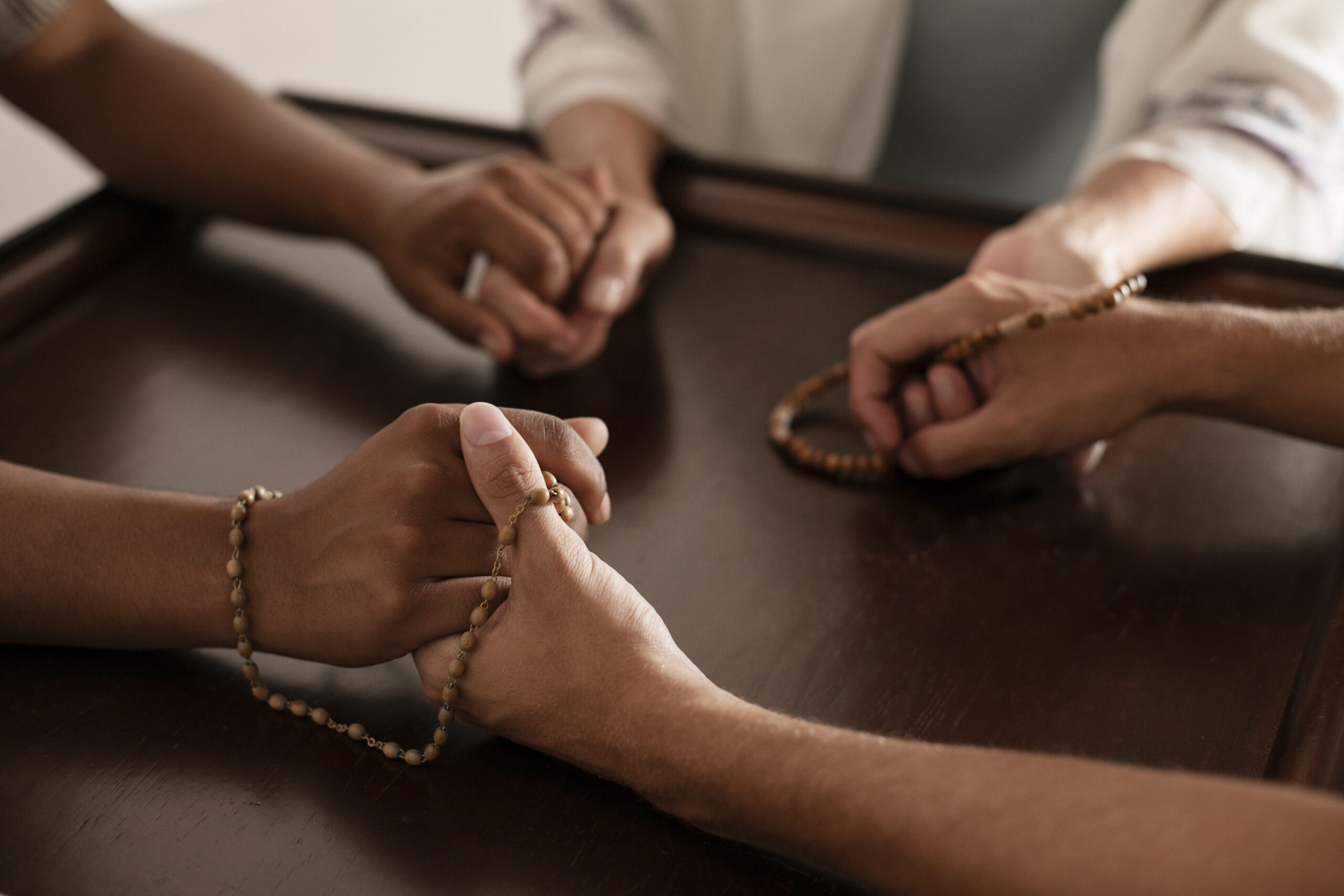
Religion is one of the most interesting aspects of human culture. It influences how people dress, eat, marry, celebrate, mourn and relate to one another. While Christianity, Islam, Hinduism and Buddhism are among the world’s most widely recognised religions, there are countries where smaller and less familiar religious traditions have a significant following.
Some of these beliefs may seem unusual to outsiders because of their practices, sacred objects, ceremonies or understanding of the supernatural. However, what one person considers strange may be perfectly normal to someone who has grown up practising it.
From worshipping ancestors to believing in the power of nature and following spiritual movements that combine different religious teachings, here are some countries with fascinating and less familiar religious traditions.
1. Japan: Shintoism and the worship of nature
Japan is home to Shintoism, an indigenous religious tradition centred on the worship and respect of kami. These are spirits or deities believed to be associated with natural features such as mountains, rivers, trees and even certain objects.
Unlike religions that focus on the worship of one supreme God, Shintoism recognises numerous spiritual beings. Its followers visit shrines, make offerings, pray and participate in purification ceremonies.
One interesting aspect of Japanese religious life is that Shintoism and Buddhism coexist. It is not unusual for someone to participate in Shinto ceremonies while also observing Buddhist traditions. Some Japanese people even visit Shinto shrines for celebrations and Buddhist temples for funeral ceremonies.
This makes Japan an interesting example of how different religious traditions can exist side by side without necessarily competing for followers.
2. Vietnam: Cao Dai
Imagine a religion that draws inspiration from Christianity, Buddhism, Taoism and Confucianism. That is the fascinating idea behind Cao Dai, a religion that originated in Vietnam in 1926.
Cao Dai teaches that different religions contain elements of spiritual truth and that humanity should work towards unity. Its followers recognise a supreme God, represented by an eye within a triangle, which is one of the religion’s most recognisable symbols.
The religion also has an interesting collection of spiritual figures and saints drawn from different traditions. These include religious leaders and historical personalities.
Its main place of worship, the Cao Dai Holy See, is located in Tay Ninh, southern Vietnam. The colourful architecture, religious ceremonies and distinctive white robes worn by many worshippers make it quite different from what people might expect of a conventional place of worship.
Cao Dai has hundreds of thousands of followers in Vietnam, making it one of the country’s notable indigenous religions.
3. Jamaica: Rastafarianism
Jamaica is internationally associated with reggae music, Bob Marley and the Rastafarian movement. However, Rastafarianism is much more than a music-inspired lifestyle or a fashion statement.
The movement emerged in Jamaica during the 1930s and is rooted in African identity, spirituality, resistance to oppression and the desire for liberation. Many Rastafarians regard Ethiopia as a spiritual homeland and recognise Emperor Haile Selassie I as a central religious figure.
Some followers use the term Jah when referring to God. Others observe dietary practices known as Ital, which generally emphasise natural, minimally processed foods. Dreadlocks are also associated with the movement, although not every Rastafarian wears them.
Rastafarianism has influenced music, fashion, language and conversations about African identity across the world. Through reggae, its message has travelled far beyond Jamaica.
Interestingly, although it is strongly associated with the country, Rastafarianism is not Jamaica’s dominant religion. The country’s religious landscape includes several Christian denominations and other spiritual traditions.
4. Haiti: Vodou
Vodou is one of the most misunderstood religious traditions in the world. Often portrayed in horror films as a practice involving frightening dolls, curses and black magic, Haitian Vodou is actually a recognised religion with deep African roots.
It developed in Haiti through the blending of West and Central African spiritual traditions with elements of Catholicism during the colonial period.
Followers believe in a supreme creator, Bondye, as well as spiritual beings known as lwa. These spirits are associated with different aspects of human life, nature and the spiritual world. Worshippers may honour them through songs, drumming, dancing, prayers and offerings.
One particularly interesting aspect of Vodou ceremonies is the belief that a lwa can temporarily possess a worshipper, allowing the spirit to communicate through that person.
Despite the misconceptions surrounding it, Vodou plays an important role in Haitian history, culture and identity. It is also a reminder of how enslaved Africans preserved and adapted their spiritual traditions under difficult circumstances.
5. Madagascar: Ancestor worship
In Madagascar, the relationship between the living and the dead occupies an important place in some traditional Malagasy beliefs.
One of the best-known practices is Famadihana, popularly described as the turning of the bones. During this ceremony, families remove the remains of deceased relatives from ancestral tombs, wrap them in fresh burial cloths and celebrate their lives with music, dancing and family gatherings before returning them to the tomb.
The practice is rooted in the belief that ancestors remain connected to the living and deserve continued respect and remembrance.
Although not every Malagasy person or community observes Famadihana, it remains an important cultural and spiritual tradition in parts of the country.
To outsiders, celebrating with the remains of deceased relatives may seem unusual. However, for participating families, it is an expression of love, respect, family identity and the continuing bond between generations.
6. India: Jainism and the commitment to nonviolence
India is home to several religions, but Jainism stands out because of its strict commitment to nonviolence, known as Ahimsa.
Jainism teaches that all living beings have souls and deserve respect. This includes human beings, animals, insects and even microscopic organisms.
Some Jain monks and nuns take this belief to extraordinary lengths. Certain monks wear cloth coverings over their mouths to avoid accidentally inhaling tiny insects, while others sweep the ground gently with a soft brush before walking to avoid stepping on small creatures.
Many practising Jains are vegetarians, and some follow even stricter dietary restrictions. For example, they avoid eating root vegetables such as onions, garlic and potatoes because harvesting them involves destroying the entire plant and may harm small organisms living in the soil.
Jainism is an ancient Indian religion with millions of followers, particularly in India. Its teachings offer an interesting perspective on compassion, self-discipline, and humanity’s responsibility towards other living things.
What these religions teach us
Religion is more than attending church, visiting a mosque or reading sacred books. Across the world, people have developed different ways of understanding life, death, nature and the spiritual world.
While some religious practices may appear strange to people unfamiliar with them, they often have deep historical and cultural meanings. What looks unusual to one society may be a cherished tradition passed down through generations in another.
These traditions also remind us that the world is far more diverse than we sometimes imagine. Understanding them does not mean we must agree with every belief or practise every tradition. It simply means recognising that people have different ways of making sense of life.
After all, there is more than one way to understand the world, and learning about other people’s beliefs can be a good place to start understanding their culture.