

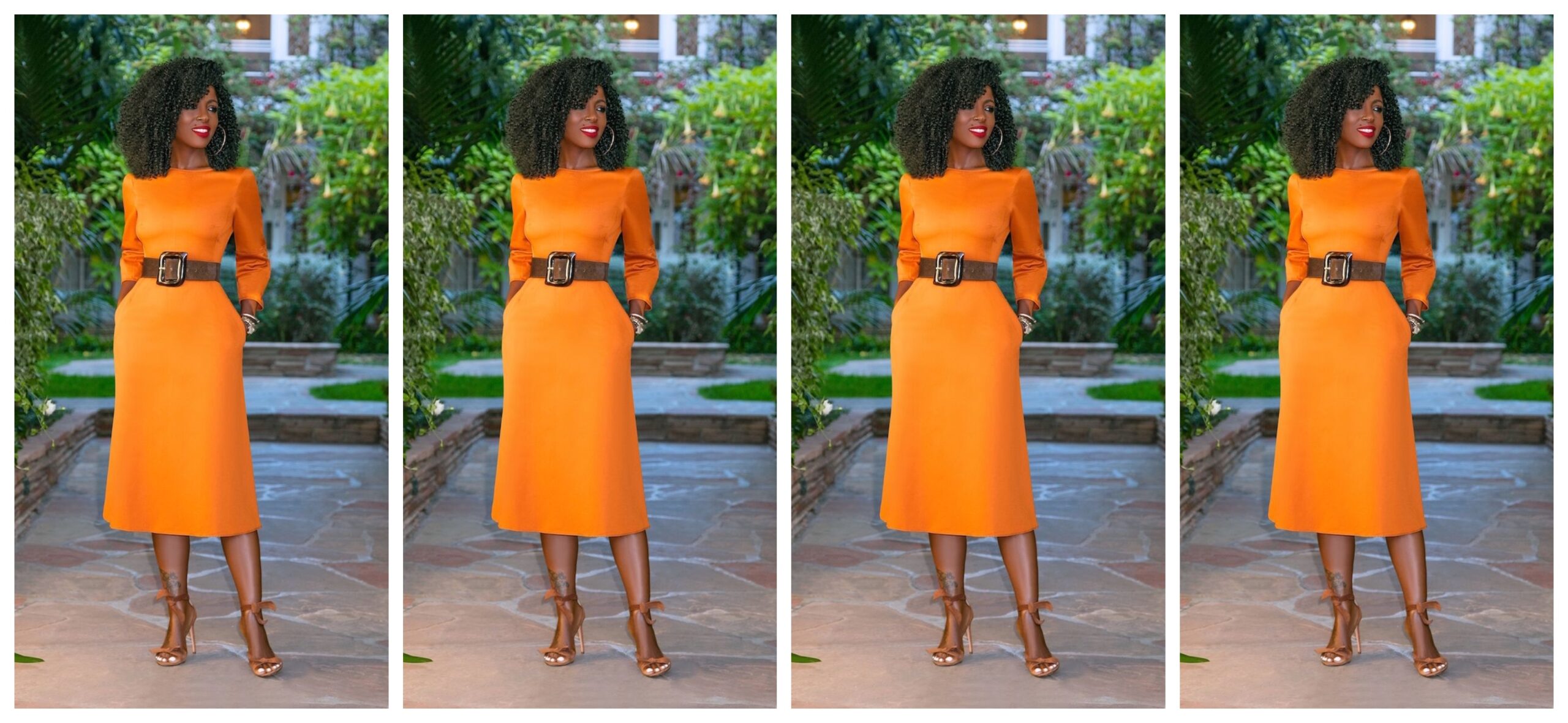
Choosing what to wear to an event can feel like a small decision, yet it often carries significant weight. Your outfit communicates before you say a word. It reflects your personality, your respect for the occasion, and your awareness of social cues. Dressing well is not about excess or perfection. It is about intention, comfort, and appropriateness.
- Understand the nature of the event
The first step is to clearly understand the type of event you are attending. A corporate dinner, a wedding, a birthday party, and a networking event each call for different styles. Pay attention to any dress code provided. Terms such as formal, smart casual, or black tie are not mere suggestions. They are guidelines that help you align with the tone of the gathering.
If no dress code is stated, consider the venue, time of day, and the host. An outdoor afternoon event will naturally require a different approach from an evening event held in a hotel ballroom.
- Consider comfort as much as style
Looking good should never come at the cost of feeling uncomfortable. Clothes that are too tight, shoes that pinch, or fabrics that irritate your skin can quickly ruin your experience. When you are at ease in what you wear, it shows in your posture and confidence.
Choose fabrics that suit the weather. In warm climates, breathable materials like cotton or linen are ideal. For cooler settings, layering can help you adjust without compromising your look.
- Respect the cultural and social context
Events often carry cultural or social significance. Being mindful of this shows respect and awareness. Traditional ceremonies, religious gatherings, or community events may require modest dressing or specific attire.
Taking a moment to understand these expectations can help you avoid discomfort or unintended offence. It also allows you to participate more fully in the experience.
- Dress for your body and personal style
Trends come and go, but personal style remains constant. Wear clothes that suit your body shape and make you feel confident. An outfit does not need to be expensive to look elegant. Fit, colour, and coordination matter more.
Avoid the pressure to imitate others. Instead, focus on what works for you. When your outfit reflects your identity, it feels natural and authentic.
- Pay attention to details
Small details often make the biggest difference. Clean and well-pressed clothes, polished shoes, and neat grooming all contribute to a refined appearance. Accessories should complement your outfit rather than overwhelm it.
Fragrance is another subtle detail. A light scent can enhance your presence, but it should not be overpowering.
- Think about practicality
Beyond appearance, think about the practical aspects of your outfit. Will you be standing for long periods? Is there likely to be dancing? Will you need to move around frequently?
Choose clothing that allows you to participate fully in the event without restriction. A beautiful outfit loses its appeal if it limits your ability to engage.
- Plan ahead
Last-minute decisions often lead to unnecessary stress. Preparing your outfit in advance gives you time to make adjustments if needed. Try everything on beforehand to ensure a good fit and complete look.
This simple step can make a significant difference in how relaxed you feel on the day.
Dressing for an event is not about impressing others at all costs. It is about showing up prepared, respectful and confident.
The goal is simple. Walk into the room feeling like yourself, only more intentional.