

Across history, several nations have changed their names, often reflecting shifts in political power, independence, cultural identity, or a desire to move away from colonial legacies. A country’s name carries meaning. It can honour heritage, signal a new beginning, or reshape how the world perceives it.
- Zimbabwe
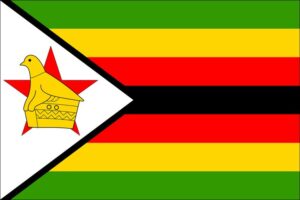
Formerly known as Rhodesia, Zimbabwe adopted its current name in 1980 following independence from British colonial rule. The name Zimbabwe is derived from the ancient city of Great Zimbabwe, a significant cultural and historical site. The change marked a clear break from colonial rule and a return to indigenous identity.
- Ghana
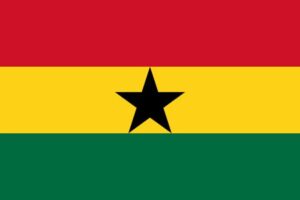
Before gaining independence in 1957, Ghana was known as the Gold Coast, a name given by European traders due to its rich gold resources. Under the leadership of Kwame Nkrumah, the country adopted the name Ghana, inspired by the ancient Ghana Empire, even though that empire was located further north. The new name reflected pride in African history and unity.
- Democratic Republic of the Congo
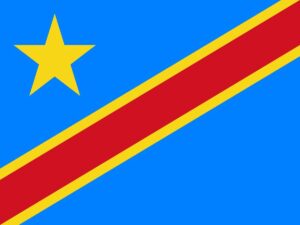
This central African nation has undergone several name changes. It was originally known as the Congo Free State, later becoming the Belgian Congo during colonial rule. After independence in 1960, it became the Republic of the Congo, then Zaire under Mobutu Sese Seko. In 1997, it adopted its current name, the Democratic Republic of the Congo, reflecting a political shift after Mobutu’s regime ended.
- Thailand
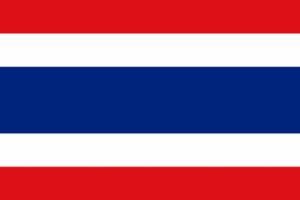
Thailand was formerly known as Siam. In 1939, the government officially changed the name to Thailand, which means land of the free. The change was intended to promote national identity and unity. Although the name Siam briefly returned after the Second World War, Thailand was reinstated permanently in 1949.
- Iran
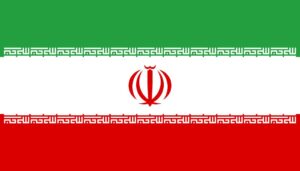
Known internationally as Persia for centuries, the country officially requested to be called Iran in 1935. The name Iran means land of the Aryans and reflects the nation’s indigenous identity. The change was initiated under Reza Shah to emphasise national unity and cultural heritage.
- Myanmar
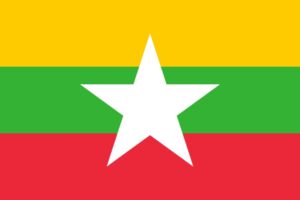
Myanmar was formerly known as Burma. In 1989, the military government changed the name to Myanmar, along with renaming several cities. While the government promoted the change as more inclusive of the country’s ethnic diversity, the decision remains politically sensitive, and some countries still use Burma in certain contexts.
- Eswatini
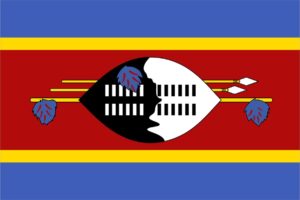
In 2018, Swaziland officially became Eswatini, meaning land of the Swazi. The change was announced by King Mswati III to mark the country’s fiftieth anniversary of independence and to avoid confusion with Switzerland. It also reflected a return to a traditional name used before colonial influence.
- North Macedonia
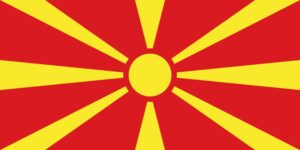
Previously known simply as Macedonia, the country changed its name to North Macedonia in 2019 following a long-standing dispute with Greece. The agreement, known as the Prespa Agreement, helped resolve tensions and opened the path for closer integration with international organisations.