

Religion plays a significant role in shaping the culture, laws, and traditions of many nations around the world. While numerous countries embrace religious diversity or maintain secular governments, some nations officially recognise a single religion as the state religion. In these countries, the recognised faith often influences national identity, governance, education, and public life.
What is an official religion?
An official religion, also known as a state religion, is a faith that receives formal recognition by a country’s constitution or legal framework. This recognition may grant the religion special privileges, government support, or a prominent role in national affairs.
Having an official religion does not always mean that people of other faiths are prohibited from practising their beliefs. However, the level of religious freedom can vary greatly from one country to another.
Saudi Arabia
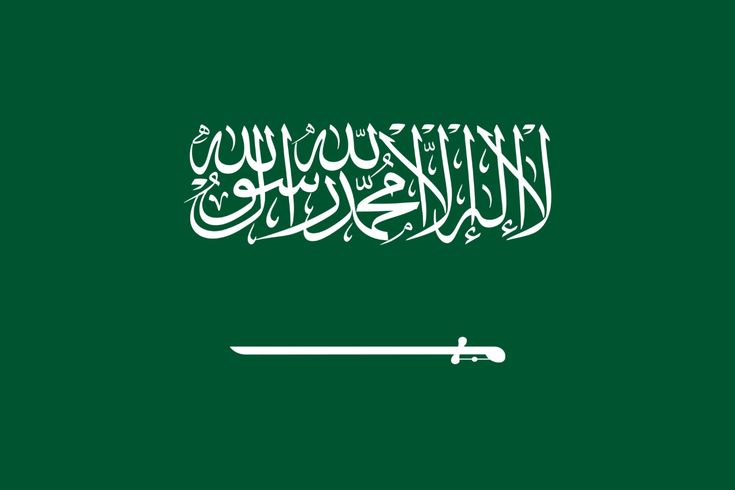
Saudi Arabia is one of the most well-known examples of a country with an official religion. Islam is the state religion, and the country’s legal system is largely based on Islamic law. The nation is home to the holy cities of Mecca and Medina, which are among the most sacred sites in Islam.
Religion influences many aspects of daily life in Saudi Arabia, including public holidays, education, and legal matters.
Iran
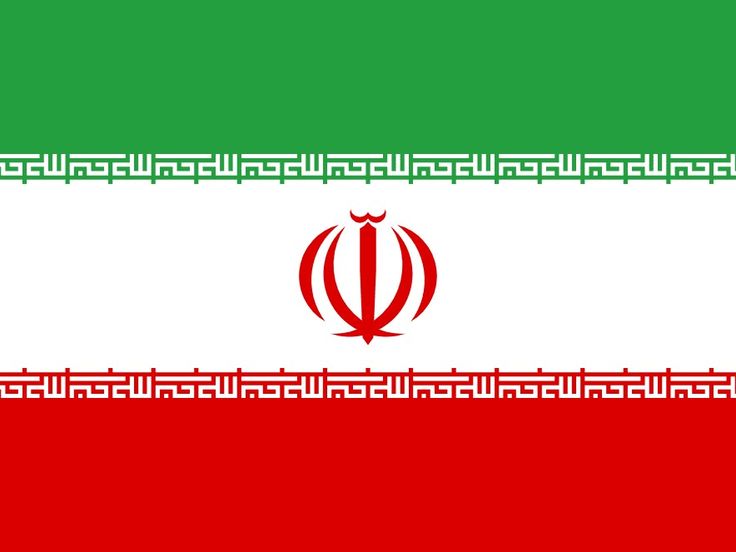
Iran officially recognises Islam, specifically Twelver Shia Islam, as the state religion. The country’s political system combines elements of republican government with religious leadership. Religious principles play a major role in legislation and governance.
Although certain minority religions are recognised, Islam remains central to the country’s national identity.
Pakistan
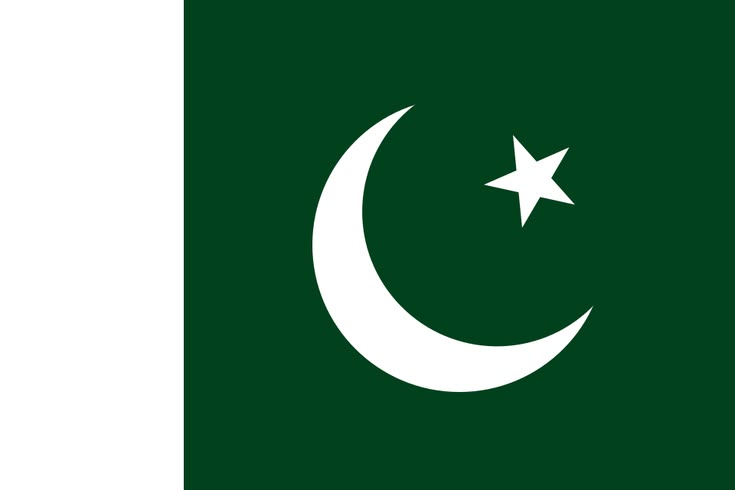
Pakistan was founded as a homeland for Muslims in South Asia and officially recognises Islam as its state religion. Islamic teachings influence many aspects of the country’s legal and social systems.
The nation also has communities of Christians, Hindus, Sikhs, and followers of other faiths who contribute to its cultural diversity.
Maldives
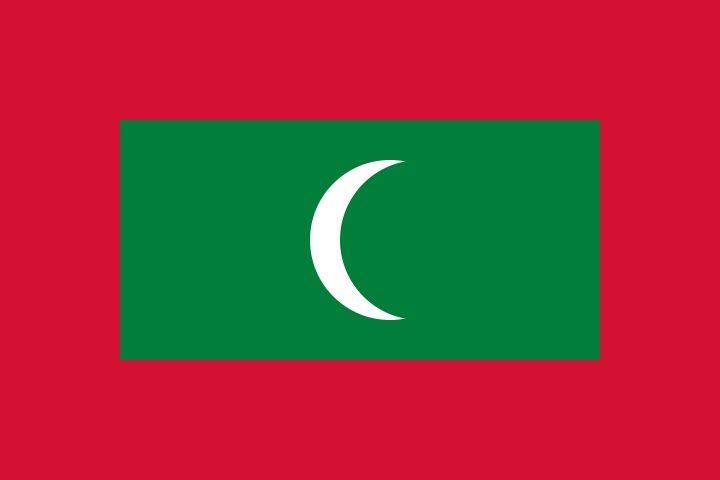
The Maldives is another country where Islam is the official religion. Citizens are required to be Muslim, and Islamic principles are deeply woven into the country’s laws and traditions.
Religion plays a visible role in public life and national celebrations.
Bhutan
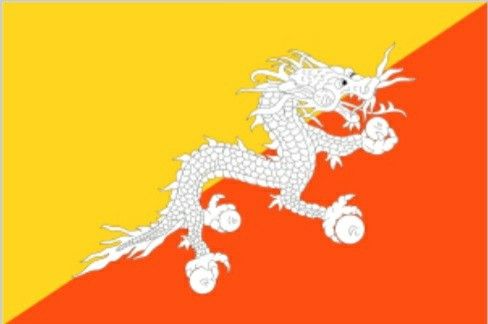
Bhutan officially recognises Vajrayana Buddhism as its spiritual heritage. Buddhism strongly influences the country’s culture, architecture, festivals, and values.
The government promotes the preservation of Buddhist traditions while also recognising the rights of religious minorities.
Thailand
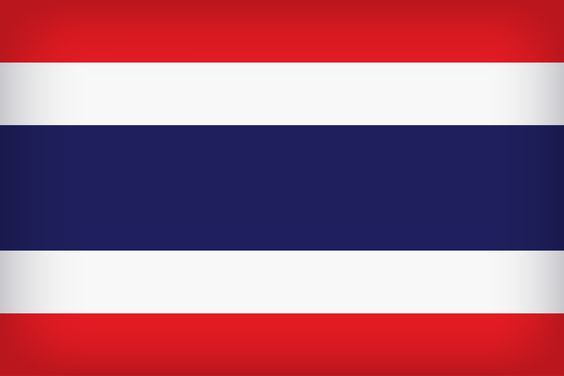
Thailand gives special recognition to Buddhism, which is followed by the vast majority of its population. Although the country does not strictly enforce Buddhism as an exclusive faith, it remains closely connected to national life and the monarchy.
Buddhist temples and traditions are an important part of Thai society.
England
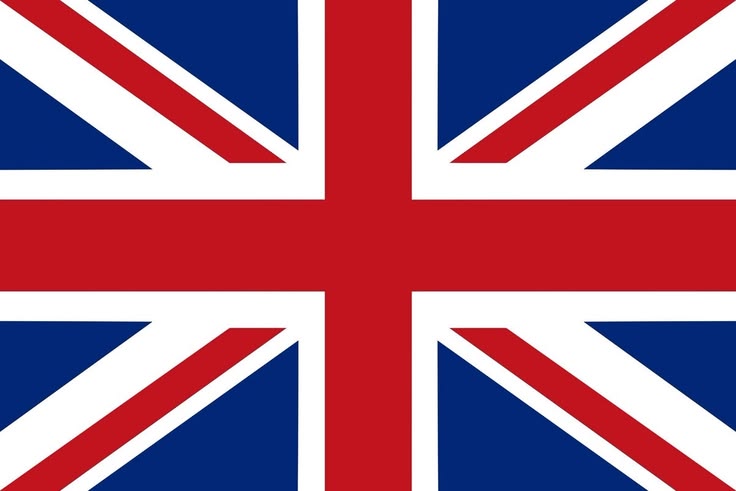
Within the United Kingdom, England has an established church known as the Church of England. The British monarch serves as its Supreme Governor. While the country guarantees freedom of religion and belief, the Church of England maintains a unique constitutional status.
Today, England is home to people of many different faiths and backgrounds.
Greece

Greece recognises the Eastern Orthodox Church as the prevailing religion. The church has historically played a significant role in the country’s identity, especially during periods of foreign rule and national struggle.
Religious ceremonies and traditions continue to hold cultural importance for many Greeks.
Why do some countries have official religions?
Countries may adopt an official religion for historical, cultural, or political reasons. In some cases, religion has been intertwined with national identity for centuries. Governments may view an official religion as a way to preserve traditions, strengthen social cohesion, or reflect the beliefs of the majority population.
The changing global landscape
In recent decades, many countries have moved towards greater religious neutrality and inclusiveness. Globalisation, migration, and growing cultural diversity have encouraged discussions about religious freedom and equal treatment for all citizens.
Even in nations with official religions, there is often an ongoing effort to balance tradition with the rights of people from different faith backgrounds.