

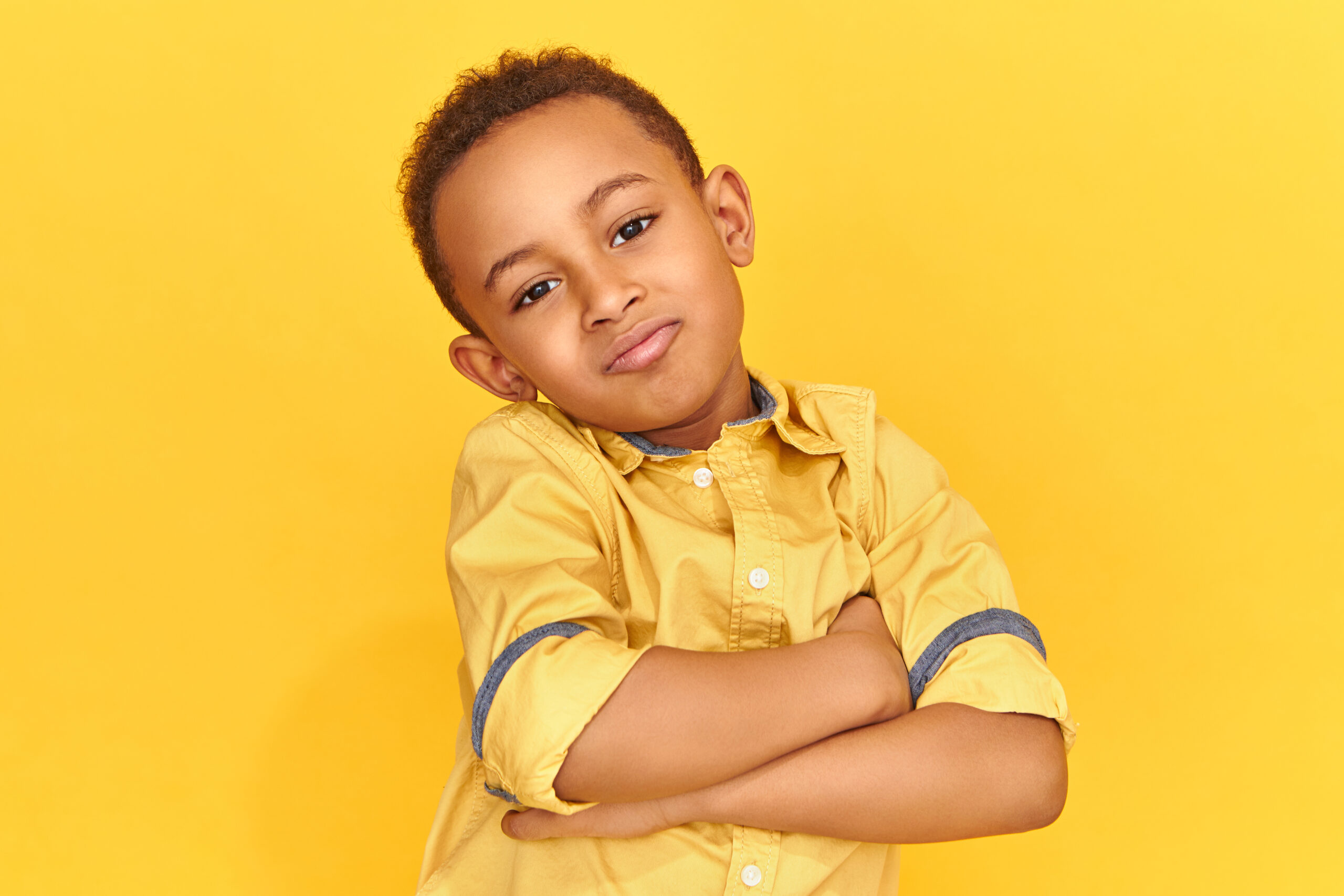
Every year on May 16, the global community observes the International Day of the Boy Child. Established to focus attention on the distinct struggles boys face worldwide, this day serves as a critical mirror for Nigeria—a society where the boy child is too often a figure hidden in plain sight. Long assumed to inherit structural privileges simply by virtue of his gender, the contemporary Nigerian boy is instead slipping through severe societal cracks, burdened by unrealistic expectations, and vulnerable to an unforgiving socio-economic landscape.
As prominent figures and stakeholders have noted, the status of the Nigerian boy child is no longer a matter of quiet concern; it is a full-blown national emergency. Reflecting on this reality, former Anambra State Governor and presidential candidate Peter Obi poignantly cited Nelson Mandela’s timeless wisdom: “There can be no keener revelation of a society’s soul than the way in which it treats its children.” If Nigeria’s soul is measured by the present condition of its young boys, the reflection is deeply sobering.
The Invisible Crises: Insecurity, Hunger, and Education
For decades, advocacy rightfully focused on the girl child, aiming to dismantle barriers to female education and safety. However, this focus inadvertently left the boy child without a safety net, giving rise to an unspoken assumption that “boys will always find a way.”
The reality on the ground paints a vastly different picture. The Nigerian boy child is acutely vulnerable to the country’s complex web of crises. In the North and across various geopolitical zones, worsening insecurity and large-scale school abductions have made getting an education a life-threatening gamble. Boys are not only victims of these mass abductions, but they are also frequently targeted for forced conscription into insurgent groups, banditry, and radicalised gangs.
Beyond physical danger, the economic downturn has brought severe hunger and malnutrition to millions of households. Without a solid foundation of primary healthcare and basic nutrition, early childhood development is permanently stunted. For millions of out-of-school boys, the absence of foundational education pushes them onto the streets, rendering them easy prey for exploitation, child labour, and criminal syndicates.
The Weight of “Be a Man”: Peer Pressure and Emotional Isolation
While structural deficits like poverty and insecurity threaten their physical survival, a quieter, psychological crisis is eroding the emotional well-being of Nigerian boys. Recent data and findings from youth advocacy groups—such as a 2026 study by the Oyinade Samuel-Eluwole foundation analyzing hundreds of student responses—reveal a staggering gap between what young boys know to be right and what they feel pressured to do.
Nigerian boys are battling overwhelming peer pressure. Many admit to struggling with a desire to belong or a fear of ridicule, making it incredibly difficult to say “no” to harmful behaviours. This vulnerability has manifested in a concerning rise in cybercrime (internet fraud) and substance abuse, which are gradually becoming normalised within peer circles.
Compounding this is the cultural script of toxic masculinity. From infancy, Nigerian boys are told to “man up,” to stifle their tears, and to view vulnerability as a shameful weakness. This societal expectation forces them into dangerous emotional isolation. Studies show that when stressed or traumatised, an alarming number of adolescent boys choose to speak to absolutely nobody, internally processing their emotional strain. Denied the vocabulary to express pain, their internalised anxiety often resurfaces as aggression, depression, or moral decay.
Building Strong Children vs. Repairing Broken Men
To transform the trajectory of the Nigerian boy child, society must undergo a radical shift in perspective. We must stop treating boys merely as problems to be managed and start treating them as human beings to be nurtured.
As Frederick Douglass famously stated, “It is easier to build strong children than to repair broken men.” Investing in the boy child is not a distraction from empowering the girl child; rather, the two are fundamentally linked. We cannot build a safe, progressive society for women while simultaneously ignoring the moral, emotional, and educational development of the men who will live alongside them.
To secure a shared national destiny, stakeholders across Nigeria must act intentionally:
Government and Policy Action: Local, state, and federal governments must heavily invest in secure educational environments, primary healthcare, and vocational skill acquisition centres.
Mentorship and Emotional Literacy: Families, schools, and religious institutions must cultivate safe spaces that allow boys to express anxiety, grief, and pressure without fear of mockery. Mentorship programs must introduce frameworks that teach positive masculinity, emotional resilience, and social courage.
Economic and Practical Guidance: Education must extend beyond traditional textbooks. Boys are anxious about their futures, university admissions, and financial stability. They require practical guidance on how to navigate real-world economic pressures honestly and creatively.
A Message of Hope
To the millions of Nigerian boys navigating the chaotic streets, the underfunded classrooms, the internally displaced persons (IDP) camps, and the heavy silences of their own minds: hold on to your dreams. The current state of the nation does not define your ultimate potential. There is an awakening happening across Nigeria—a collective realisation that the society we neglect today will ultimately hold us accountable tomorrow. Efforts are intensifying to build a country that safeguards your life, invests in your talents, and inspires your highest ambitions.
The Nigerian boy child is full of brilliant curiosity, resilience, and untapped potential. It is time for Nigeria to pause, listen to him, protect him, and give him the foundation he needs to confidently step onto the global stage.