

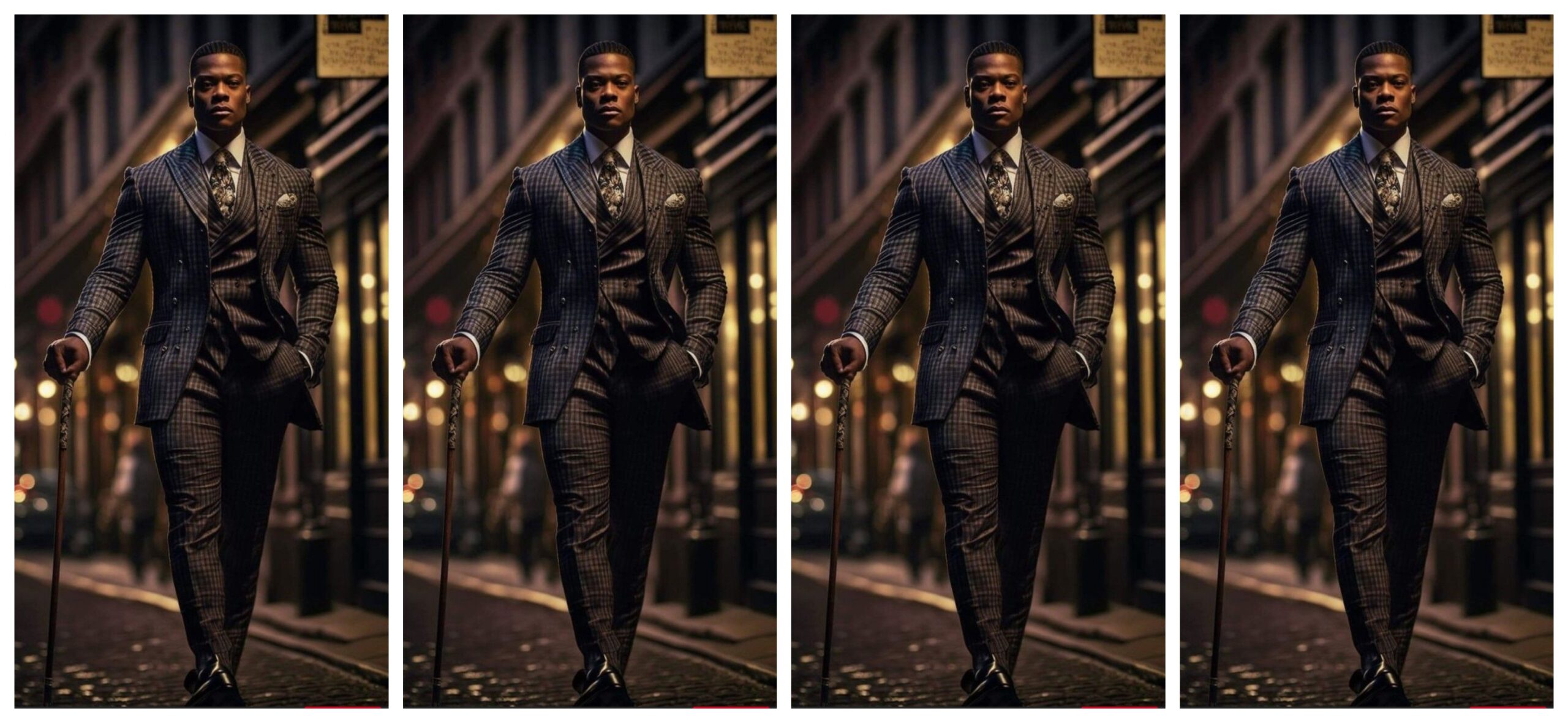
Fashion has a way of circling back, and few aesthetics prove this better than the retro man’s style. It is a look rooted in past decades, yet it continues to feel fresh when worn with confidence today. The retro man does not chase trends. He draws from history, selecting pieces that carry character, structure, and a sense of identity.
At its heart, retro menswear is about dressing with intention. It borrows from the 1940s through to the 1980s, blending tailored elegance with relaxed charm. Think of classic cinema icons, musicians with presence, and gentlemen who understood that style is as much about posture as it is about clothing.
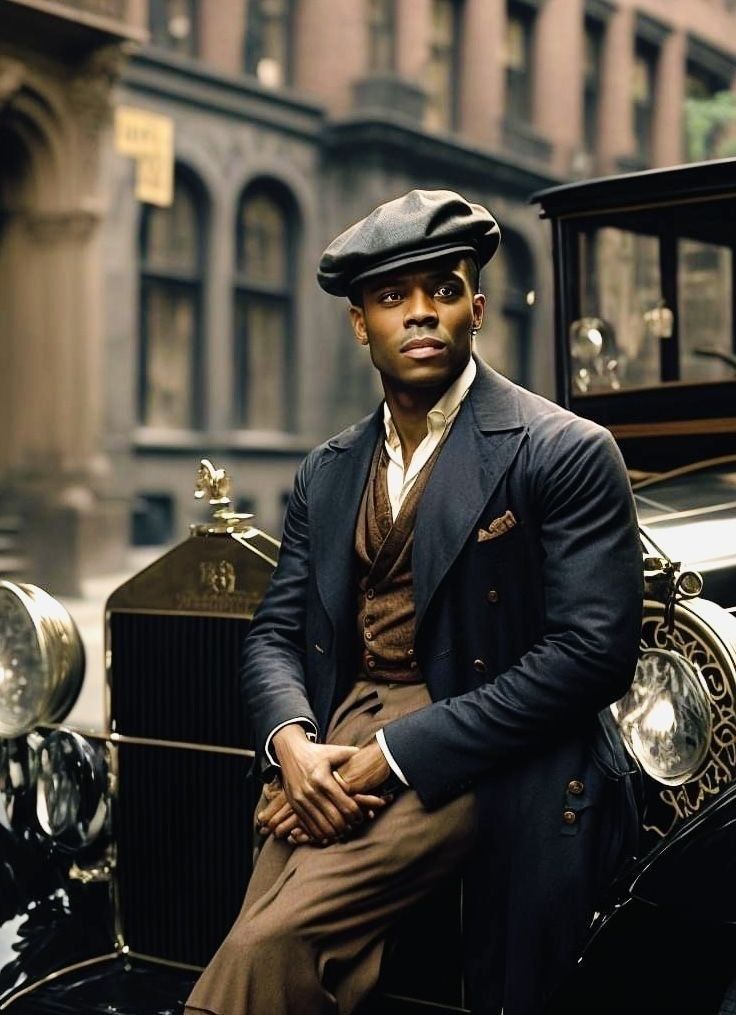
What defines retro style for men
The retro man’s wardrobe is built on strong foundations. Tailoring plays a central role, with suits that are structured and sharply fitted. Jackets are often worn with confidence, whether in formal settings or styled down for casual occasions.
Shirts are usually crisp, often featuring bold patterns such as stripes or subtle prints. T-shirts are simple but well cut, serving as a base layer for more expressive pieces.
Trousers are usually high-waisted, offering a clean silhouette that elongates the frame. Footwear completes the look with classics such as loafers, brogues, or polished lace-up shoes.
Key elements of the retro wardrobe
- Tailored suits
A well-fitted suit remains the backbone of retro style. Neutral tones such as navy, charcoal, and beige are common, but earthy shades also play an important role. - Statement shirts
Retro style embraces personality. Printed shirts, especially those with geometric or abstract designs, add visual interest without overwhelming the outfit. - Vintage-inspired trousers
High-waisted cuts are a defining feature. They create structure and balance, especially when paired with tucked-in shirts or fitted tops. - Classic outerwear
Trench coats, bomber jackets, and wool coats bring depth to the wardrobe. These pieces are practical while still carrying strong style value.
Colours and fabrics
Retro fashion often leans towards warm, earthy colours. Browns, mustard tones, olive greens, and muted blues are common choices. These shades reflect the eras that inspired the look and create a grounded, timeless appeal.
Fabrics are equally important. Wool, tweed, corduroy, and cotton dominate the retro wardrobe. These materials not only last longer but also age gracefully, which adds to the overall aesthetic.
Accessories that complete the look
Accessories are where personality truly comes through. The retro man often uses small details to elevate his appearance.
Sunglasses with aviator-style frames or round lenses bring a distinct edge. Watches with leather straps add a sense of refinement. Pocket squares, hats such as fedoras, and simple leather belts also contribute to the finished look.
Even grooming plays a part. A neat hairstyle and well-kept beard or clean shave help maintain the polished effect that retro style demands.
How to wear retro style today
Modern retro dressing is not about recreating the past exactly. It is about interpretation. The key is balance. Pair a vintage-inspired jacket with modern trousers, or combine a patterned shirt with minimal footwear.
Confidence is essential. Retro style works best when worn naturally, not as a costume. Each piece should feel like it belongs together, even if it comes from different eras.