

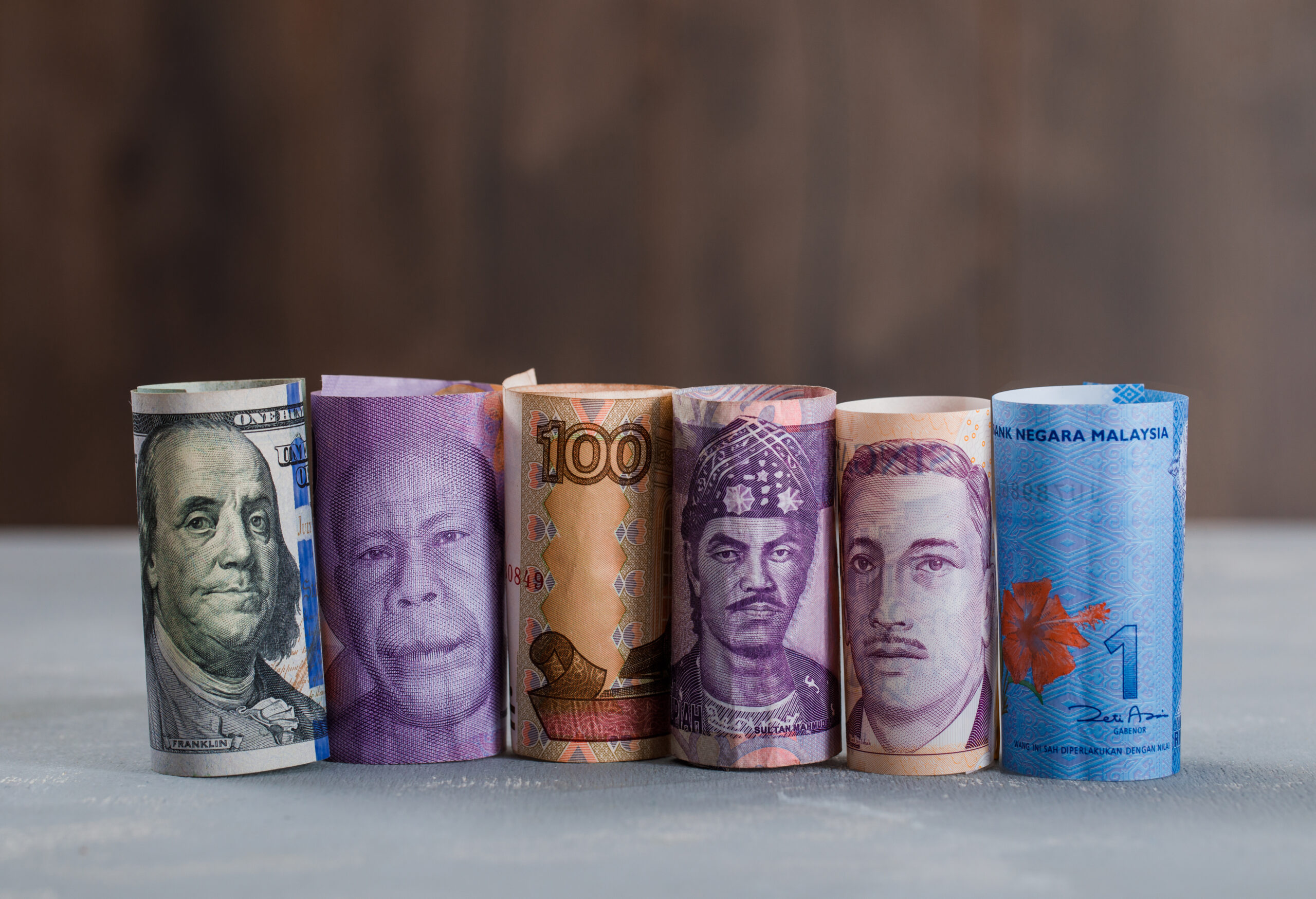
Most countries in the world rely on a single official currency issued and regulated by their central bank. However, there are a small number of countries where more than one currency is used in everyday transactions. This situation can arise due to economic instability, historical arrangements, regional agreements or high reliance on foreign currency.
Below are some notable examples.
- Zimbabwe
Zimbabwe is one of the clearest examples of a country using multiple currencies. After periods of severe inflation that weakened the local currency, the country allowed the use of foreign currencies such as the United States dollar alongside its own currency.
Today, Zimbabwe uses the Zimbabwe Gold currency alongside widely accepted foreign currencies, including the United States dollar and South African rand in many transactions. In practice, this creates a multi-currency environment where people often choose the most stable option available for trade and savings.
- Cuba
Cuba has also experienced a dual currency system. For many years, the Cuban peso circulated alongside a foreign exchange currency used in tourism and international trade. Even after reforms that aimed to simplify the system, foreign currency usage, especially the United States dollar, remains common in certain sectors of the economy.
This means that although the country has made efforts to unify its monetary system, everyday economic activity can still involve more than one currency depending on access and transaction type.
- El Salvador
El Salvador officially uses the United States dollar as legal tender. In addition to this, Bitcoin has also been introduced as a recognised currency for transactions in certain contexts.
This creates a situation where digital currency and traditional fiat currency exist side by side within the same national economy, especially in areas such as remittances and online payments.
- Ecuador
Ecuador uses the United States dollar as its official currency after abandoning its own currency years ago. While the dollar dominates all formal transactions, some local tokens and older currency references may still appear in limited informal settings.
Although not a classic multi-currency system in the strictest sense, its reliance on a foreign currency places it in discussions about countries where more than one form of money influences economic life.
- Panama
Panama officially uses the United States dollar for paper money transactions while also issuing its own currency called the balboa, which exists mainly in coin form.
In practice, the balboa and the United States dollar circulate together, with the dollar being far more dominant in daily use. This makes Panama another example of a dual currency system shaped by historical and financial agreements.