

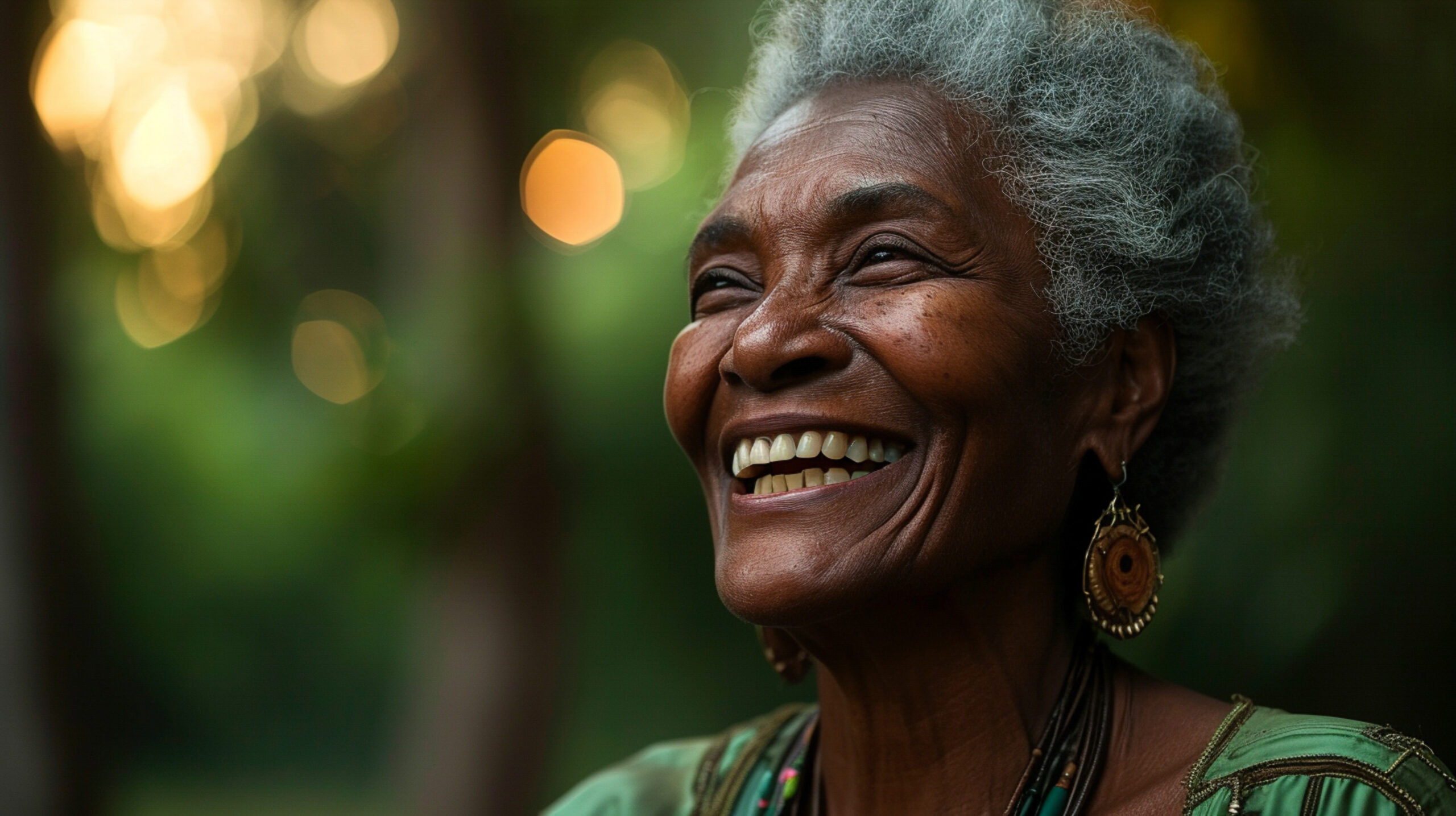
Ageing is a natural part of life, yet the way we age can differ greatly from one person to another. While growing older is inevitable, ageing well is something that can be influenced by the choices we make every day. Well-ageing is not about looking younger than your years. It is about maintaining good health, staying active, nurturing meaningful relationships, and continuing to enjoy life with purpose and confidence.
As life expectancy increases around the world, there is a growing focus on helping people remain healthy and independent for as long as possible. The good news is that many of the habits that promote well ageing are simple and accessible.
What Is Well Ageing?
Well ageing refers to the process of maintaining physical, mental, emotional, and social well-being as one grows older. It involves adapting positively to the changes that come with age while continuing to live a fulfilling and productive life.
Rather than concentrating solely on avoiding illness, well ageing focuses on improving quality of life. It encourages individuals to remain engaged, active, and connected to their communities.
- Stay physically active
Regular physical activity is one of the most effective ways to support healthy ageing. Exercise helps to maintain muscle strength, improve balance, strengthen bones, and reduce the risk of chronic illnesses such as heart disease, diabetes, and high blood pressure.
Simple activities such as walking, dancing, swimming, gardening, or stretching can make a significant difference. The key is consistency. Even moderate movement each day can improve overall health and mobility.
- Eat a balanced diet
Good nutrition plays an important role in the ageing process. A healthy diet provides the body with the nutrients needed to maintain energy, support the immune system, and keep organs functioning properly.
Older adults should aim to eat a variety of fruits, vegetables, whole grains, lean proteins, and healthy fats. Drinking enough water is equally important, as dehydration can become more common with age.
Limiting highly processed foods, excessive sugar, and unhealthy fats can also contribute to better long-term health.
- Prioritise mental wellbeing
Mental health is just as important as physical health. Stress, loneliness, and anxiety can affect people at any age, but older adults may face unique challenges such as retirement, loss of loved ones, or changing family dynamics.
Taking time for relaxation, pursuing hobbies, and seeking support when needed can help maintain emotional well-being. Practices such as meditation, prayer, journaling, and spending time in nature may also help reduce stress and improve mood.
- Keep the mind active
Just as the body benefits from exercise, the brain benefits from regular stimulation. Reading, learning a new skill, solving puzzles, playing games, or taking classes can help keep the mind engaged.
Lifelong learning not only improves cognitive function but also provides a sense of achievement and purpose.
- Maintain strong social connections
Human beings thrive on connection. Strong relationships with family, friends, and community members contribute significantly to happiness and well-being.
Social interaction can help reduce feelings of loneliness and isolation while providing emotional support during challenging times. Joining clubs, volunteering, attending community events, or simply staying in touch with loved ones can strengthen these valuable connections.
- Get regular health checks
Preventive healthcare becomes increasingly important with age. Regular medical check-ups can help detect potential health issues early and improve treatment outcomes.
Routine screenings, eye examinations, dental care, hearing tests, and vaccinations should not be overlooked. Staying informed about one’s health is an important part of ageing well.
- Find purpose and meaning
A sense of purpose can have a powerful impact on overall well-being. Whether through work, volunteering, mentoring, faith, creative pursuits, or caring for others, having meaningful goals can provide motivation and fulfilment.
People who remain engaged in activities they enjoy often report greater life satisfaction and resilience.
- Embrace the journey
Ageing should not be viewed as a period of decline but as a stage of life filled with opportunities for growth, wisdom, and new experiences. While certain physical changes are unavoidable, many aspects of healthy ageing are within our control.
By staying active, eating well, nurturing relationships, caring for mental health, and maintaining a positive outlook, individuals can enjoy a richer and more rewarding life as they grow older.