

There was a time, not so very long ago, when a ringing telephone could send an entire household into a small panic. Who was it? Was it for you? Would you have to shout up the stairs to fetch someone, or take a message on a scrap of paper by the phone table? These days, a notification buzzes quietly in a pocket, and life goes on. Back then, communication was an event, and it shaped the way we lived, loved and stayed in touch.
The landline ruled the roost
Every home had one phone, usually stationed proudly in the hallway, often with a coiled cord just long enough to stretch into the nearest room if you wanted a scrap of privacy. Calls were not free and were certainly not endless. Parents kept a close eye on the clock, especially if you were phoning a friend who lived outside the local area, since long-distance calls could cost a small fortune.
Letters, Postcards and the joy of the post
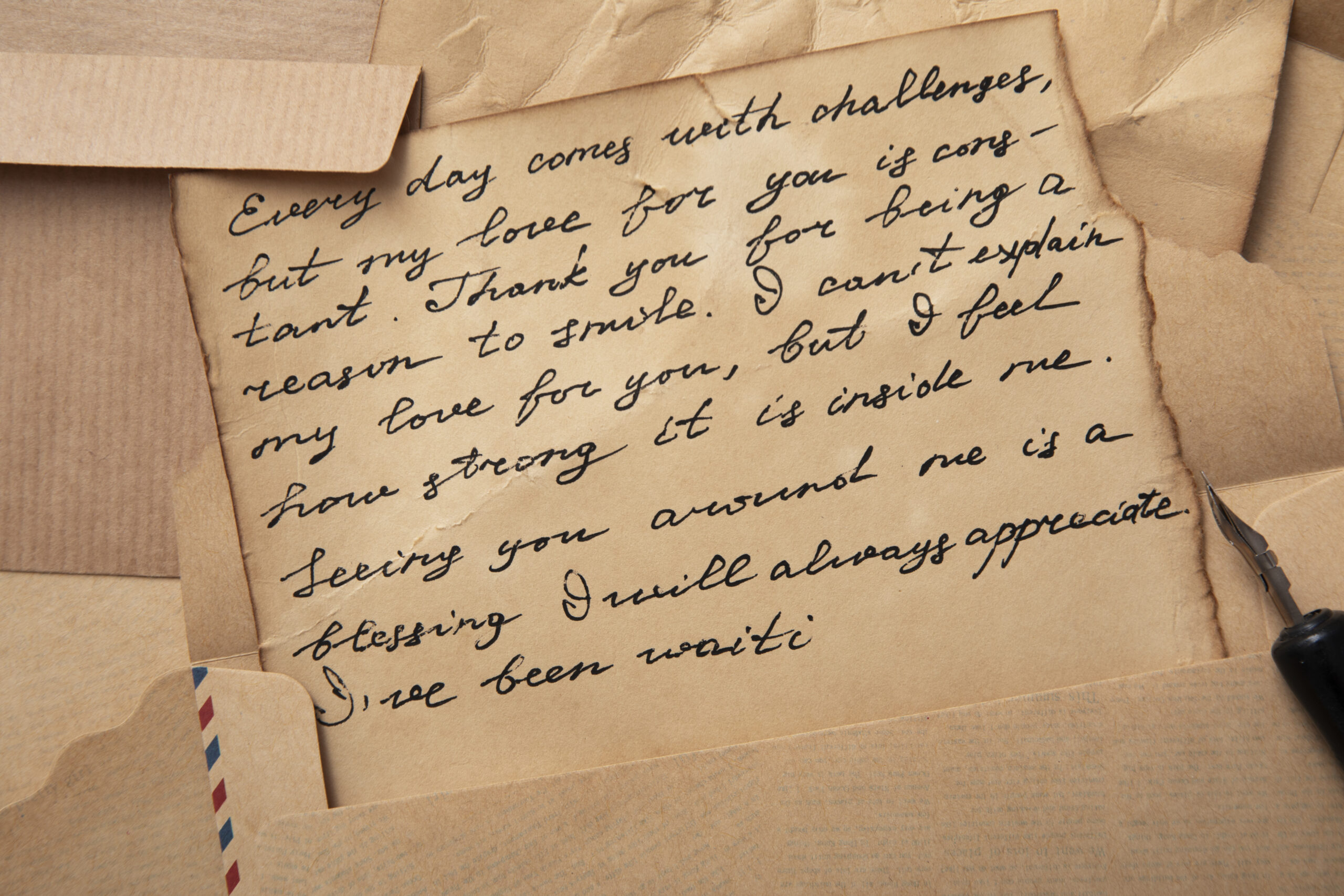
Long before instant messages, there were letters. Actual pen on paper, folded carefully into an envelope, stamped and posted, then followed by days, sometimes weeks, of waiting. Receiving a letter from a friend, a relative abroad, or a sweetheart was a proper occasion. You could recognise handwriting from across the room and feel a small thrill before you had even opened the envelope.
Holidays meant postcards too. A quick scribbled note from Blackpool or the Costa del Sol, often arriving home after the sender did, but treasured all the same and pinned to the fridge or slotted into the frame of a mirror.
Passing notes
At school, communication meant folded notes passed carefully under desks, risking the wrath of a teacher if caught. There was a whole art to it, the careful folding, the discreet handoff, the agony of waiting for a reply.
Meeting in person, by necessity
Perhaps the biggest difference was simply this: if you wanted to properly catch up with someone, you arranged to meet them, in person, at an agreed time and place, and you turned up. There was no quick text to say you were running late or to check where exactly to meet. You worked it out beforehand and trusted that everyone would be there as planned. Friendships were built on reliability and patience in a way that feels almost quaint today.
Nowadays, we can reach almost anyone in seconds, but perhaps we have lost a little of that magic along the way. So next time your phone buzzes with yet another notification, spare a thought for the days of the landline, the postcard and the carefully folded note, when communication took a bit more patience, and meant a bit more because of it.