

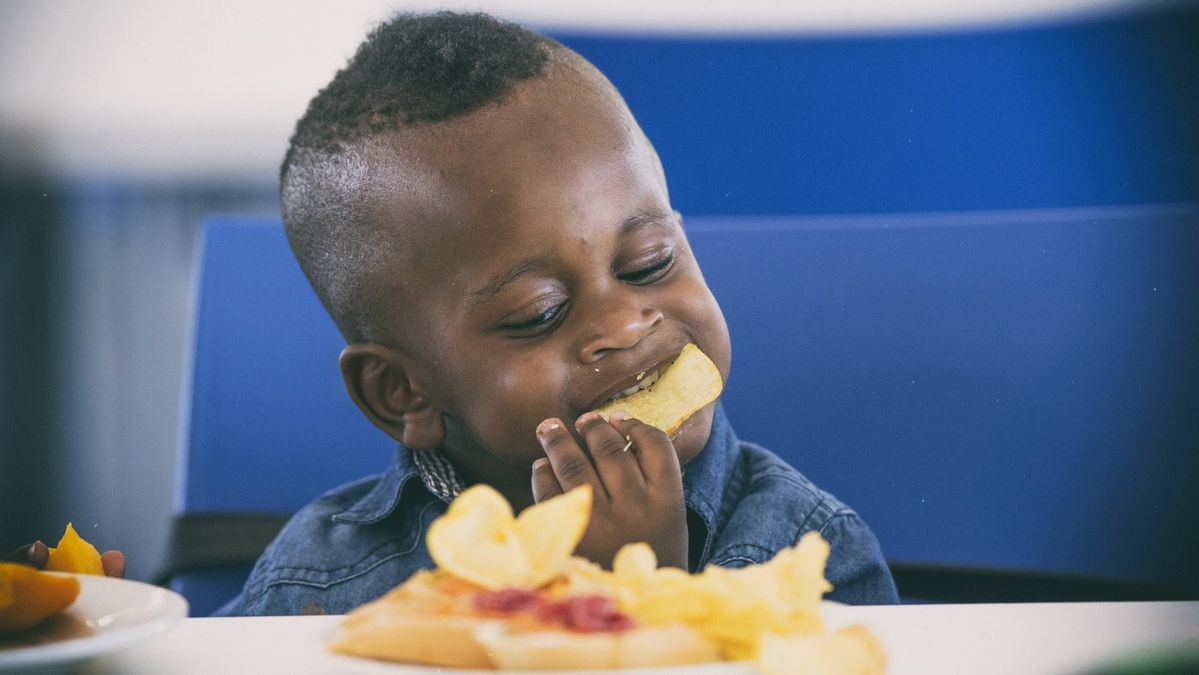
There was a time when you did not need a supermarket, a fancy bakery or a food delivery app to satisfy a snack craving. As Nigerian children, we had our own little world of treats. Some were bought with the coins our parents gave us for school, while others mysteriously appeared in the kitchen and disappeared just as quickly.
Today, some of those snacks have quietly faded away. Some are still around, but they are no longer as common as they used to be. For many of us, just hearing their names is enough to take us straight back to childhood.
- Kokoro
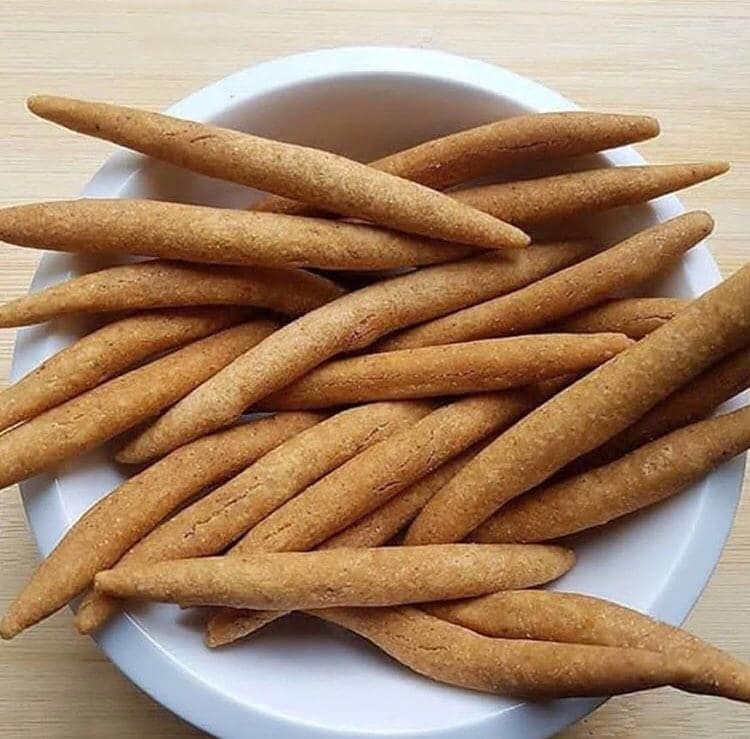
That crunchy, ring-shaped snack made from maize was a familiar sight. You could buy it from roadside sellers, school vendors or neighbourhood shops. It was simple, hard and satisfying, especially when you were hungry and had only a few naira to spend.
For some children, the fun was not even in eating it quickly. You had to take your time with kokoro because one careless bite could leave you with a mouthful of crumbs.
- Donkwa
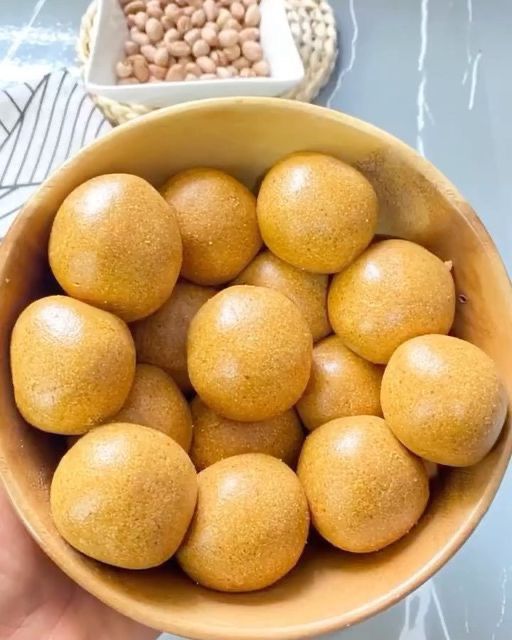
Donkwa was another childhood favourite that deserves more recognition. Made from ground maize and groundnut, it had a distinct taste and texture that was unlike most snacks we see today.
It was often sold in small portions, wrapped or packed simply. You could eat it on its own or share it with friends. And once you started, stopping was not always easy.
- Coconut sweets ( Babadudu)
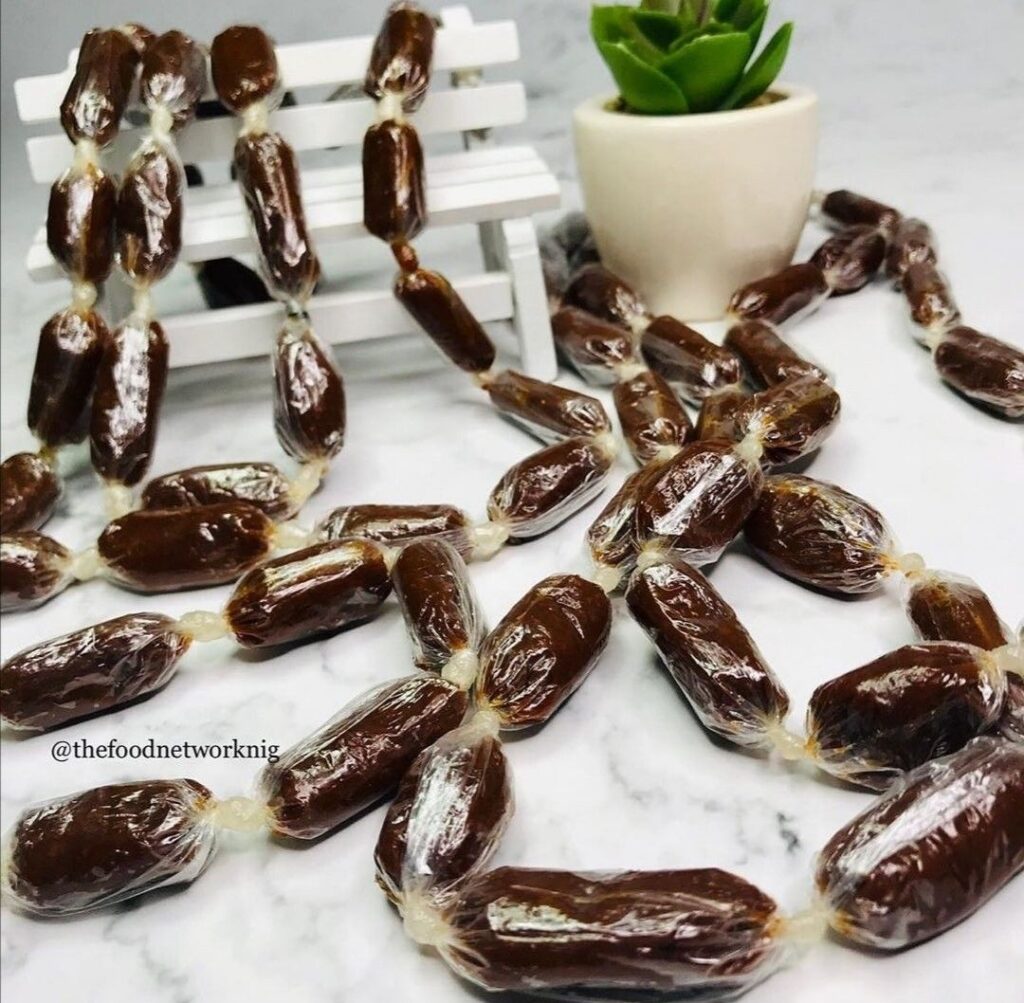
Coconut was another childhood treasure.
Whether it was fresh coconut cut into small pieces or the sweetened coconut treats sold by local vendors, it was a snack that felt like a special reward.
The fresh coconut came with its own entertainment. First, you had to get into it. Then came the satisfying crunch.
- Ice cream and local frozen treats
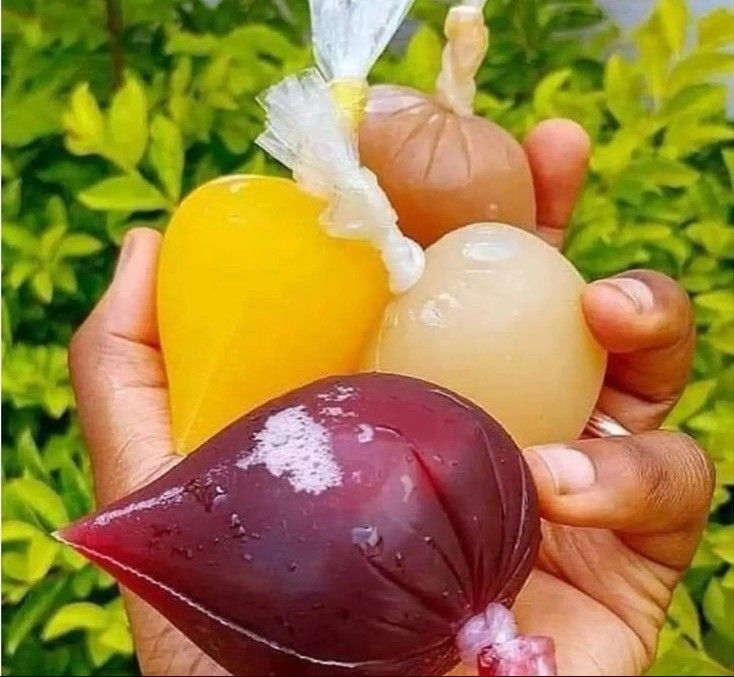
Long before today’s endless selection of ice cream brands and frozen yoghurt shops, Nigerian children had their own versions of frozen happiness.
There were homemade ice pops, colourful frozen drinks in small nylon bags and other locally made treats that were sold around schools and neighbourhoods.
You did not need much money. You simply needed enough to buy one and find somewhere cool to sit.
Perhaps what makes these snacks special is not necessarily how delicious they were by today’s standards. It is what they represented.
They remind us of school runs, long afternoons, compound games, visiting cousins, pocket money and those small moments when a few naira could make you genuinely happy.
Children today have an incredible variety of snacks to choose from. But there was something beautiful about our own childhood snack culture. It was simple, affordable and deeply connected to the neighbourhoods where we grew up.