

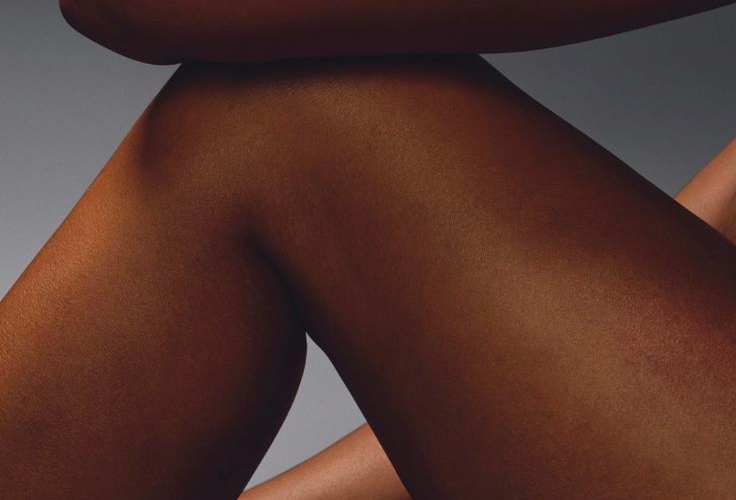
Dark pigmentation around the thighs is a common beauty concern for many women. While it is perfectly normal for certain areas of the body to be darker than others, some women may feel self-conscious about discolouration around their inner thighs, especially when wearing shorts, swimwear or other revealing outfits.
The good news is that there are ways to improve the appearance of dark thigh pigmentation. With the right skincare routine, gentle habits and patience, it is possible to achieve a more even skin tone without damaging the skin.
What causes dark thigh pigmentation?
Before treating dark thighs, it is important to understand what may be causing the discolouration.
Friction: Constant rubbing of the thighs against each other can irritate the skin and contribute to dark patches. This is particularly common among women whose thighs touch when walking.
Hormonal changes: Hormonal fluctuations can sometimes contribute to changes in skin pigmentation.
Shaving and hair removal: Frequent shaving, waxing and the use of harsh hair removal products may irritate the skin, leaving dark marks over time.
Tight clothing: Wearing tight trousers, underwear or leggings that rub against the skin can cause irritation and encourage pigmentation.
Product irritation: Some bleaching creams, fragranced products and harsh exfoliants can damage the skin barrier and worsen discolouration.
Underlying skin conditions: Conditions such as eczema and certain hormonal or metabolic disorders can sometimes cause darker areas of skin. Persistent or sudden changes should be assessed by a healthcare professional.
Tips for reducing dark thigh pigmentation
1. Keep the skin moisturised
Moisturising is an important part of maintaining healthy skin. Dry skin is more prone to irritation, particularly in areas where the thighs rub together.
Choose a gentle, fragrance-free moisturiser containing ingredients such as glycerine, ceramides or shea butter. Apply it regularly, especially after bathing, to help keep the skin soft and support its natural protective barrier.
2. Reduce friction between the thighs
If your thighs rub together when walking, reducing friction may help prevent further irritation and darkening.
Consider wearing comfortable cycling shorts or breathable clothing that creates a protective barrier between the thighs. A thin layer of petroleum jelly or an anti-chafing balm can also help reduce rubbing.
Avoid clothing that feels excessively tight or causes discomfort.
3. Use gentle skincare ingredients
Certain skincare ingredients may help improve uneven pigmentation when used consistently.
Niacinamide can support the skin barrier and help improve the appearance of uneven skin tone. Azelaic acid may also help reduce some forms of hyperpigmentation. Products containing lactic acid can gently exfoliate the skin, although they may cause irritation if used too frequently.
Introduce only one active ingredient at a time and follow the product instructions. Avoid applying strong products to freshly shaved, broken or irritated skin, and keep them away from the genital area.
If you have sensitive skin, consult a dermatologist before using active treatments on the inner thighs.
4. Avoid harsh scrubs
Scrubbing the thighs vigorously with exfoliating gloves, rough sponges or abrasive body scrubs may seem like a quick way to remove dark patches. However, excessive exfoliation can cause inflammation and make pigmentation worse.
Instead, use a mild cleanser and avoid rubbing the skin aggressively. If you choose to use a chemical exfoliant, select a suitable product and begin cautiously.
Remember that pigmentation does not disappear simply because the skin is scrubbed harder.
5. Be careful with hair removal
Shaving and waxing can sometimes cause irritation, ingrown hairs and dark marks.
If you shave, use a clean, sharp razor and a gentle shaving product. Shave carefully in the direction of hair growth where practical, and moisturise afterwards.
If a particular hair removal method repeatedly causes irritation, consider switching to a gentler alternative. Avoid using depilatory creams on irritated skin or anywhere the product is not specifically intended for use.
6. Wear comfortable, breathable clothing
Clothing choices can make a difference, especially in hot and humid weather.
Cotton underwear and breathable fabrics can help reduce discomfort caused by sweat and friction. Change out of damp clothing after exercise and keep skin folds clean and dry.
You do not need to stop wearing your favourite outfits. The aim is simply to minimise repeated irritation and allow the skin to remain comfortable.
7. Be cautious with skin lightening roducts
The desire to achieve an even skin tone can make some women turn to strong bleaching creams. However, unregulated products may contain harmful ingredients, including mercury or potent corticosteroids. Some products may also contain hydroquinone without appropriate medical supervision.
These products can cause skin thinning, irritation, uneven colour changes and other complications when misused.
Avoid applying lemon juice, baking soda, toothpaste or other harsh home remedies to the thighs. They can irritate the skin and worsen pigmentation rather than improve it.
A dermatologist can recommend appropriate treatments based on the cause and severity of the discolouration.
8. Protect exposed skin from the sun
Although the inner thighs are usually covered, the outer thighs may be exposed when wearing shorts, skirts or swimwear.
Sun exposure can make some forms of pigmentation more noticeable. Apply broad-spectrum sunscreen with SPF 30 or higher to exposed skin and reapply as directed, particularly when spending time outdoors.
9. Give your skin time to respond
Dark pigmentation rarely disappears overnight. Depending on the cause and depth of the discolouration, improvement may take several weeks or months.
Consistency is more important than using numerous products at once. Avoid changing your routine too frequently, and discontinue any product that causes burning, persistent redness or irritation.
It is also worth remembering that naturally darker inner thighs are normal. The goal of skincare should be healthy, comfortable skin rather than achieving an unrealistic standard of perfection.
When should you see a dermatologist?
Seek medical advice if the pigmentation appears suddenly, spreads quickly, becomes itchy or painful, or is accompanied by other unusual skin changes.
Dark, thickened skin around the groin, neck or armpits may sometimes be associated with a condition called acanthosis nigricans, which can be linked to insulin resistance and other medical conditions. A healthcare professional can assess the cause and advise on appropriate treatment.
Dark thigh pigmentation is a common concern, but it does not mean your skin is unhealthy or unattractive. Do not put your skin at risk in pursuit of a lighter complexion. Healthy skin deserves care at every shade, and confidence should never depend on having perfectly even skin.