

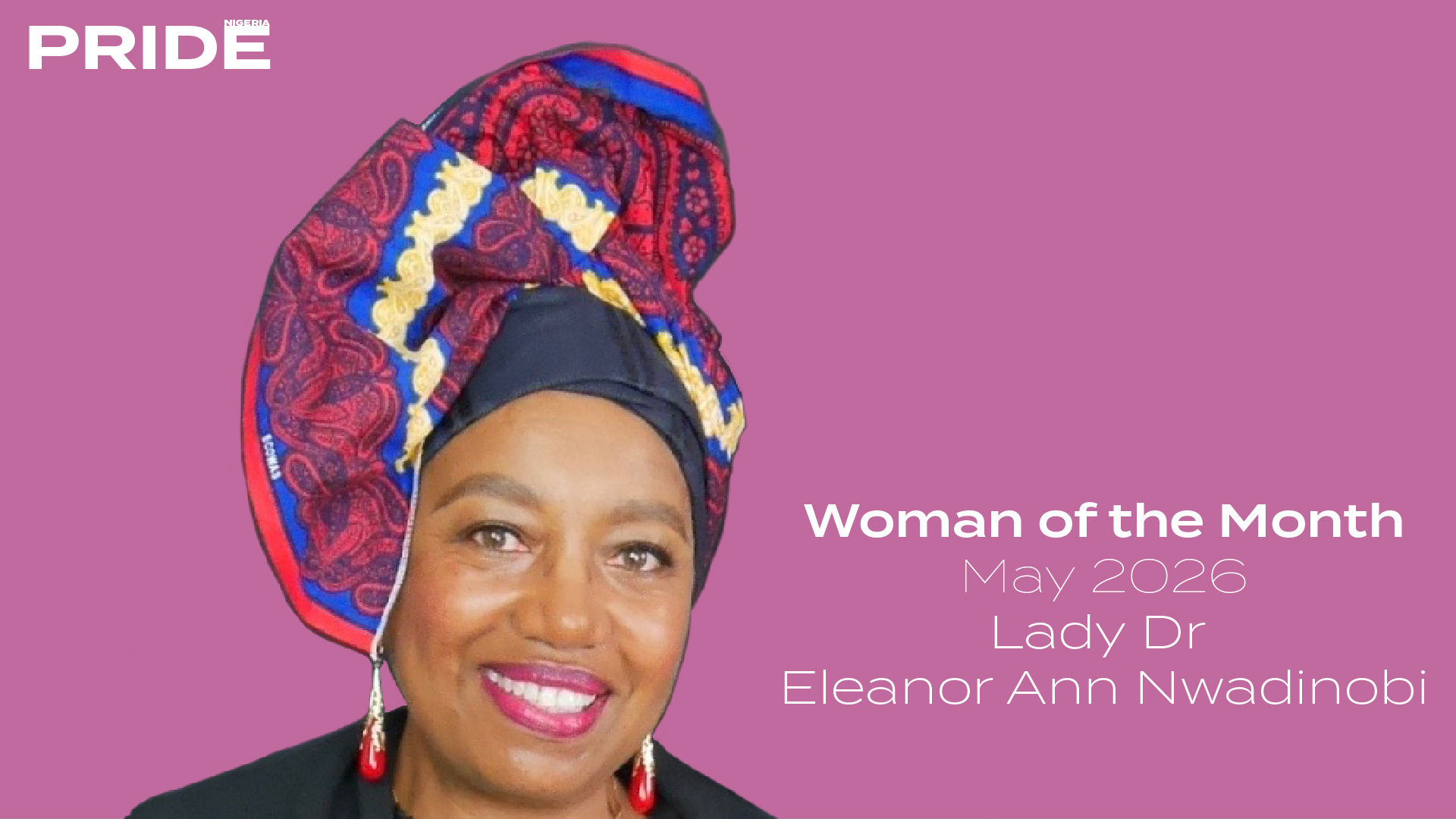
Lady Dr Eleanor Ann Nwadinobi is a medical doctor and a women, peace, security and gender expert with a master’s in human rights.
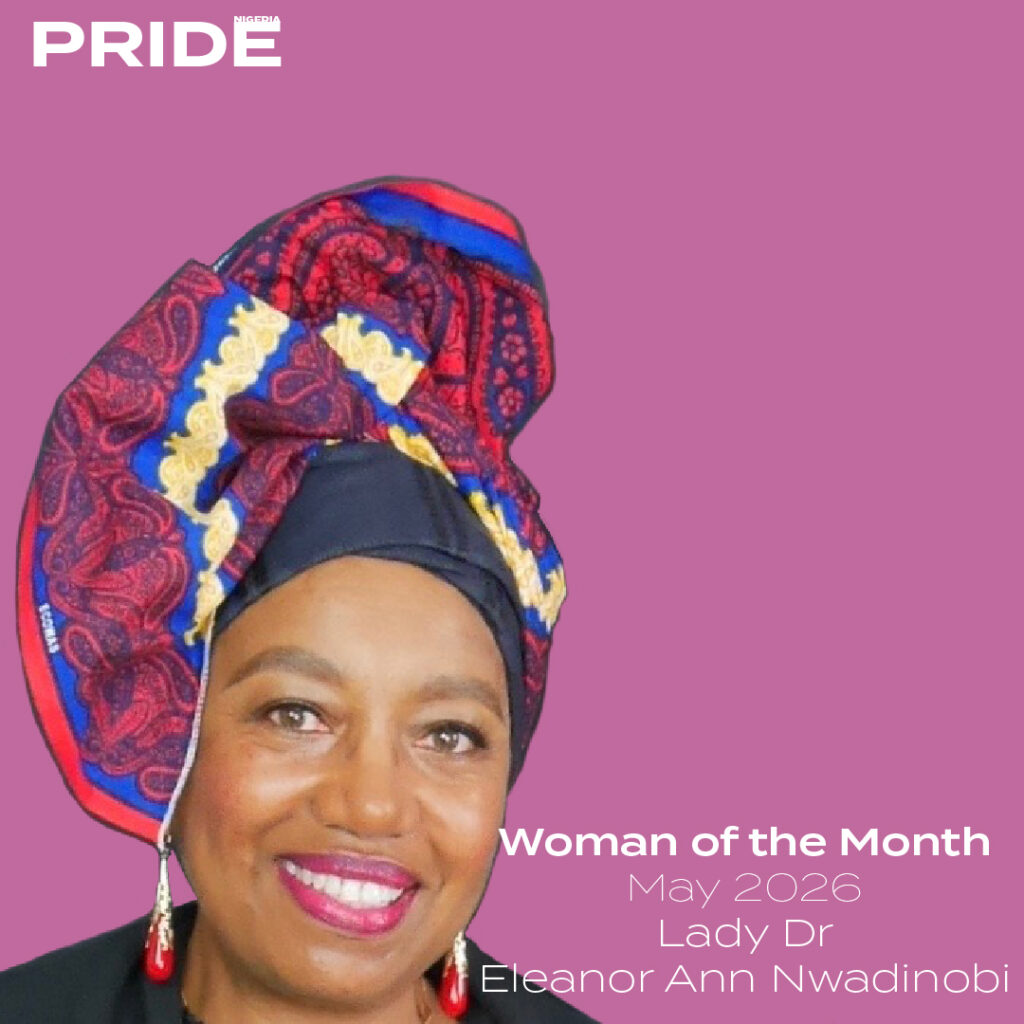
Dr Nwadinobi was President of the Medical Women’s International Association (MWIA) from 2019 to 2025. As the first Nigerian to rise to this position in its over 100-year existence, she strives to bring health solutions through strategic partnerships. Dr Nwadinobi served her National Association, Medical Women’s Association of Nigeria (MWAN) and MWIA in several capacities at the state, national and international levels for nearly 40 years. She joined MWAN through its Enugu branch in 1982, and rose to become President of the Enugu branch in 1997. In 2005, Dr Nwadinobi was elected as the National President of MWAN. At the international level, she has served on the scientific, ethics and resolution committees and chaired the Public Relations Centennial Committee. She served on the Executive Committee as the Finance Committee Chair.
Lady Nwadinobi is Co-founder of Blossoms of the Vine Fellowship and a Lady of the Knights of the Good Shepherd.
Dr Nwadinobi is the first Sub-Saharan Africa Regional Chair of the United Nations NGO/DPI Executive Committee.
She is President of Widows Development Organisation (WiDO) and her passion for women’s rights contributed to the passing of a bill on widow’s rights by the Enugu State House of Assembly in March 2001 and at the national level, the Violence Against Persons Prohibition (VAPP) Act in May 2015. Taking her passion to bring an end to violence against women and girls to the global stage, Dr Nwadinobi is also Co-founder and Board member of Every Woman Treaty, a coalition calling for a global treaty to end violence against women and girls.
Over her 40-year career, Dr Nwadinobi has contributed to the development agenda as Gender Expert, ECOWAS Early Warning Directorate; Lead Researcher, Gender-based Violence (GBV) at the World Bank; Lead Researcher for Children on the Street with ECOWAS; Gender Adviser to Tony Blair Institute on the Supporting Leaders Programme in Nigeria; and Spotlight Initiative Consultant to the UN for drafting Nigeria’s strategy on eliminating GBV. Until recently, she was Senior Adviser on the FCDO-funded Nigeria Resource and Support Hub.
Dr Nwadinobi has contributed to the women, peace and security agenda in Nigeria as the Co-country Representative for the Working Group on Women Youth Peace and Security for West Africa and Sahel (WYPS-WAS). She worked with DFID-funded Nigeria Stability and Reconciliation Programme (NSRP) as the Women and Girls Manager to support the Nigerian government in drafting and launching their first and second National Action Plan (NAP) on Women, Peace and Security (WPS). She also worked with the Conflict Stability and Security Fund (CSSF) of the Foreign and Commonwealth Office, as the Women, Peace and Security Lead and Gender Adviser. She was also the Team Lead and Gender Expert on the drafting team for AU stabilisation, recovery and resilience strategy for the Lake Chad basin countries affected by Boko Haram (Cameroon, Chad, Niger and Nigeria). From 2019 to 2020, she was Gender Adviser to Nigeria Policing Programme (NPP).
Dr Nwadinobi sits on the board of national and international organisations and is Co-chair of the Immunization Agenda (IA) 2030 Partnership Council. She is a member of the Dean’s Advisory Council of the College of Health, Lehigh University, Bethlehem, PA, USA, and is Advisor to the Global Fund for Women. Dr Nwadinobi is an international public speaker and has made presentations globally including the United Nations NGO Consultation Day and the United Kingdom House of Commons.
She is a recipient of several national and international awards and has authored several publications. Dr Nwadinobi was inducted into Nigeria’s Hall of Fame in the category of First Achievers. Her personal profile is featured in a Friedrich-Ebert-Stiftung publication, “The hands that build Nigeria: Nigerian women role models”. A daughter of Abia State, Dr Nwadinobi has been conferred with titles of ‘Ada e ji aga mba’, “Osi na ulo mara nma” and ‘Odo Abia’ for her contributions, achievements and commitment to the development of Abia State.
She plays the saxophone and loves travelling and dancing. Lady Dr Eleanor Nwadinobi is happily married to Sir Okey Nwadinobi and is a mother and grandmother.
In this Woman of the Month interview, Lady Dr Eleanor Ann Nwadinobi explores the changing nature of the medical field, the progress in women’s rights, and opportunities for the young, Nigerian female.
How was your path to becoming a medical doctor? The good, and the not so good.
My path to becoming a doctor was challenging and yet milestoned with celebrations along the way. My parents provided the necessary support. I did not have to look too far with my dad being one of Nigeria’s pioneer veterinary doctors and my mum a nurse from Jamaica. My mother gave me the most important compass for the journey: faith, courage and a can-do spirit. She shared that I had said I wanted to be a doctor from a very young age. Mum assured me that the mould was broken after I was born and therefore, I never needed anyone to validate me. They were examples around me showing that hard work would be rewarded. Medical school at the University of Nigeria, Enugu Campus was a place of learning from the best teachers, through long nights of study, with students with whom I forged lifelong friendships. It was not all smooth sailing, when I failed an exam, I had to work even harder to retake and pass it. Medical school shaped far more than my medical knowledge—it shaped my character. It taught me resilience through pressure, compassion and empathy through human suffering, and adaptability to thrive in a constantly changing world. More than earning a degree, it became a journey that transformed me into a stronger and more grounded person, prepared to navigate life itself.
Looking back, across your career, what advice would you give to a young doctor in general, and to a young female doctor in particular?
I would advise young doctors to persevere through every challenge with patience and humility. The difficult moments in medicine will not only strengthen their knowledge and skills, but also shape their character. They should stay open to learning, remain compassionate toward others and trust that each experience is helping them grow into a stronger and more empathetic doctors.
To every young female doctor, medicine is a noble calling, but it often comes with the challenge of balancing responsibilities both at work and at home. There may be times when you feel the weight of carrying two demanding roles, yet your strength, compassion, and perseverance will carry you through. Trust the intuition and wisdom God has given you—it will guide you in caring for patients, making difficult decisions, and protecting your own well-being. Never underestimate your worth or allow anyone to diminish your voice. Maintain professional boundaries, stand firm against disrespect or harassment in the workplace, and seek support when needed. Being kind and empathetic does not mean tolerating mistreatment. As you grow in your career, may you continue to lead with humility, courage, grace, and resilience, becoming not only an excellent doctor but also a source of strength and inspiration to others.
You had a long engagement with the Medical Women’s International Association (MWIA), from the local level to the international level. What do you consider are the core contributions of the organisation to both the medical profession and to the progress of women in the profession?
The Medical Women’s International Association as the first medical association founded in 1919, played a pioneering role in creating a united platform for women doctors at a time when female representation in medicine was still limited. By bringing women physicians together, it fosters solidarity, professional support, and a shared commitment to advancing the role of women in healthcare.
A key contribution of the association is mentorship—guiding and empowering generations of young women doctors through professional development, leadership opportunities, and personal support. It creates a nurturing environment where younger physicians can learn from experienced mentors, build confidence, and navigate the unique challenges faced by women in medicine.
Beyond professional advancement, the Association continues to make meaningful contributions to the wider community through outreach programmes, health education, advocacy, and medical services, particularly in the area of women’s health. Its efforts help raise awareness about preventive care, maternal health, reproductive health, and the overall well-being of women and families. We are very vocal in our advocacy for ensuring that the medical community fully recognises that women are affected uniquely, differently, and disproportionately. Data collection, research design, algorithms, and treatment approaches must reflect these differences to ensure equitable and effective healthcare outcomes.
Through service, advocacy, mentorship, and unity, the Medical Women’s Association not only strengthens the medical profession but also improves the lives of countless women and communities.
The Nigerian medical field is faced with several challenges. On the one hand, the lack of adequate pay for medical personnel who also work in sub-standard systems; and on the other hand, critiques of negligence and a lack of professional ethics. Are both concerns valid? From your perspective, what are the primary challenges, and what are your suggested solutions?
Doctors are frontline workers who carry immense responsibility, often while working within fragile health systems marked by inadequate infrastructure, limited equipment, workforce shortages, and poor remuneration. Despite these challenges, they are still expected to uphold the highest standards of professionalism, avoid negligence, and provide ethical, compassionate care to every patient. Government has a responsibility to create an environment where doctors can provide safe, ethical, and effective care. This requires sustained investment in healthcare infrastructure, reliable medical equipment and supplies, adequate staffing, fair remuneration, and supportive workplace policies. Strengthening health systems not only protects doctors’ mental health and well-being but also improves patient outcomes and public trust in healthcare.
Investing in the well-being and welfare of the frontline healthcare workforce ensures a healthy nation, and a healthy nation is a wealthy and peaceful nation.
Are there challenges in the medical profession specific to women? If so, how do we address them?
Women in medicine face challenges that extend beyond clinical practice, shaped by structural and cultural barriers within healthcare systems. One major issue is the underrepresentation of women in leadership roles across health institutions. Despite making up a large proportion of the medical workforce, women are often excluded from senior decision-making positions, limiting diversity in leadership and policy influence.
Another critical concern is workplace and tech-enabled violence and harassment, including discrimination, verbal abuse, and sexual harassment. These experiences undermine professional dignity, contribute to burnout, and are often underreported due to weak reporting systems and fear of retaliation.
In addition, many women in medicine carry a disproportionate burden of household and caregiving responsibilities alongside demanding clinical duties. This imbalance makes work-life integration particularly challenging and can slow career progression.
Addressing these issues requires intentional reform. Health systems must strengthen gender equity in leadership through transparent promotion pathways, mentorship, and active inclusion in governance. Robust safeguarding policies, clear reporting mechanisms, and accountability structures are essential to eliminate workplace harassment. Supportive measures such as flexible working arrangements, childcare support, and structured mentorship can also help women sustain both career growth and personal well-being.
Ultimately, advancing gender equity in medicine is not only a matter of fairness, but a pathway to stronger, safer, and more effective healthcare systems.
What niche specialisations and opportunities do you suggest young doctors consider based on the evolving nature of the profession, the unique health needs of the Nigerian population, and technologies now available?
Nigeria faces a complex and urgent health landscape shaped by high maternal and child mortality, persistent challenges such as female genital mutilation (FGM) and vesicovaginal fistula (VVF), and a rising burden of breast and cervical cancers and other non-communicable diseases. Addressing these issues requires not only more healthcare workers, but a deliberate strengthening of medical specialties and the intelligent use of modern technology.
At the core of this response, the need for relevant key specialties as well as public health specialists skilled in prevention, community education, and strengthening primary healthcare systems.
Innovation offers new possibilities for bridging long-standing gaps in access and equity. Telemedicine can connect rural communities to specialist care, drone technology is emerging as a powerful tool for delivering blood, vaccines, and essential medicines to hard-to-reach areas, particularly in emergencies. Meanwhile, artificial intelligence and machine learning can support early disease detection, predict high-risk pregnancies, improve cancer screening, and optimise health system planning and resource allocation.
Together, these medical specialties and technologies point toward a more integrated and responsive healthcare system. In doing so, Nigeria can move closer to a future where geography no longer determines survival, and where preventable maternal and child deaths become increasingly rare.
You are also involved in widow’s rights and ending violence against women and girls. This may seem like an intractable challenge. However, what progress should we celebrate and what avenues should we pursue for lasting change?
Nigeria has made meaningful progress in addressing harmful traditional widowhood practices and violence against women and girls, even though significant gaps remain. Over the past years, increased public awareness, stronger advocacy by women’s rights organisations, and more visible engagement from health professionals, religious leaders, and civil society have helped shift these issues from private cultural matters into national and legal conversations. Laws such as the Violence Against Persons (Prohibition) Act (VAPP) have provided a stronger legal framework against abuse, while more states are beginning to domesticate it. There is also growing recognition within healthcare systems that gender-based violence is a public health issue, leading to improved screening and survivor support in some facilities.
Despite these gains, harmful widowhood practices—including degrading rituals, property dispossession, disinheritance and social isolation—still persist in some communities. Similarly, violence against women and girls remains underreported and often inadequately prosecuted due to stigma, weak enforcement, culture of impunity, and entrenched social norms especially patriarchy.
For lasting change, a zero-tolerance approach must move beyond policy into everyday enforcement and cultural transformation. Laws must not only exist but be consistently implemented, with perpetrators held accountable regardless of social status or community influence. Access to justice for survivors must be strengthened through faster legal processes, survivor-friendly reporting systems, accessible legal aid, and meaningful income generation.
Community engagement is equally critical. Religious and traditional leaders must be active partners in dismantling harmful practices, reframing cultural norms in ways that protect dignity and human rights. Public education campaigns should continue to challenge silence, shame and stigma, encouraging reporting and shifting attitudes across generations.
The health system also has a key role to play. Healthcare workers should be trained to identify, document, refer and respond appropriately to cases of violence, ensuring that survivors receive both medical care and psychosocial support. Schools, workplaces, and community structures should also adopt clear safeguarding and reporting mechanisms.
Ultimately, achieving zero tolerance requires an all-of-government and unified societal stance—where violence and harmful traditional practices are no longer excused, minimised, or normalised, but actively prevented, confronted, and punished. Only through sustained legal enforcement, cultural change, and survivor-centred support can meaningful and lasting progress be achieved.
After contributing to relevant laws at state level and to the VAPP Act at national level, my life’s work is to advocate for a global treaty to end all forms of violence against women and girls.
What have been the health impacts of currently drawn-out conflicts on Nigerian – and Sahelian – women living in affected areas? What should be done for immediate relief?
My work as a Women, Peace and Security (WPS) Expert—supporting the First and Second National Action Plans on WPS in Nigeria has earned me the name “Mama Peace.” My work placed me at the intersection of conflict, gender, and health and I saw the devastating health impacts of prolonged conflict on women and girls across Nigeria, Chad, Niger, and Cameroon, where insecurity continues to fuel displacement, trauma, and widespread vulnerability.
In the short term, immediate relief must focus on restoring dignity, safety, and access to essential services. This includes emergency healthcare for survivors of violence, maternal and reproductive health services, psychosocial support, and mobile clinics to reach displaced and hard-to-access populations. Safe spaces for women and girls are critical, alongside the provision of basic necessities such as food, clean water, and dignity kits.
Preventing sexual violence in conflict requires a strong protection framework that is both proactive and responsive. Rapid reporting and referral systems must be strengthened so survivors can access care, legal support, and protection within critical time windows. Security actors and humanitarian responders must work together to ensure safer routes, camps, and communities, while accountability mechanisms are enforced to deter perpetrators.
At the same time, community engagement is essential. Working with traditional and religious leaders, alongside women’s groups, helps shift harmful norms and encourages reporting rather than silence. Training frontline health workers to identify and respond to sexual violence is also key to ensuring survivors are not turned away but supported with dignity and confidentiality. My work brought visibility to the multiple layers of violence experienced by child widows, some of them child mothers whose children born to their captors were called ‘bad blood’. Another invisible subsect are wives of the disappeared for whom there is still no closure regarding if their husbands are alive or not.
Ultimately, immediate response must go hand in hand with prevention—building systems that protect women in crisis settings while affirming their rights, safety, dignity and humanity even in the most fragile contexts.
How do you aim for balance and fulfilment in all areas of your life?
I am still trying to achieve a good balance as someone who works hard and pays attention to detail. I aim to live a balanced and fulfilling life through faith, hard work, moderation and doing what gives me joy. My joy comes from being with family and friends and uplifting others. I love dancing as a pastime because it allows me to express myself, unwind from the demands of life, and reconnect with my sense of energy and gratitude. For me, dancing is not just a hobby—it is a reminder to celebrate life, embrace the moment, and not take myself too seriously. I accept that I am not perfect—because growth in the Lord, grace, and authenticity matter more than perfection.
What do you take pride in?
I take pride in believing authentically and unapologetically in my faith and values. My faith grounds me, my family gives me strength and joy, and my confidence comes from knowing who I am and what I stand for. I have learned that I do not need to conform to fit into spaces of others to define my worth. Instead, I choose to own my space with grace, confidence, and integrity. I embrace my uniqueness, recognising that individuality is not something to hide, but something to be proud of. Staying true to myself has become one of my greatest sources of strength.