

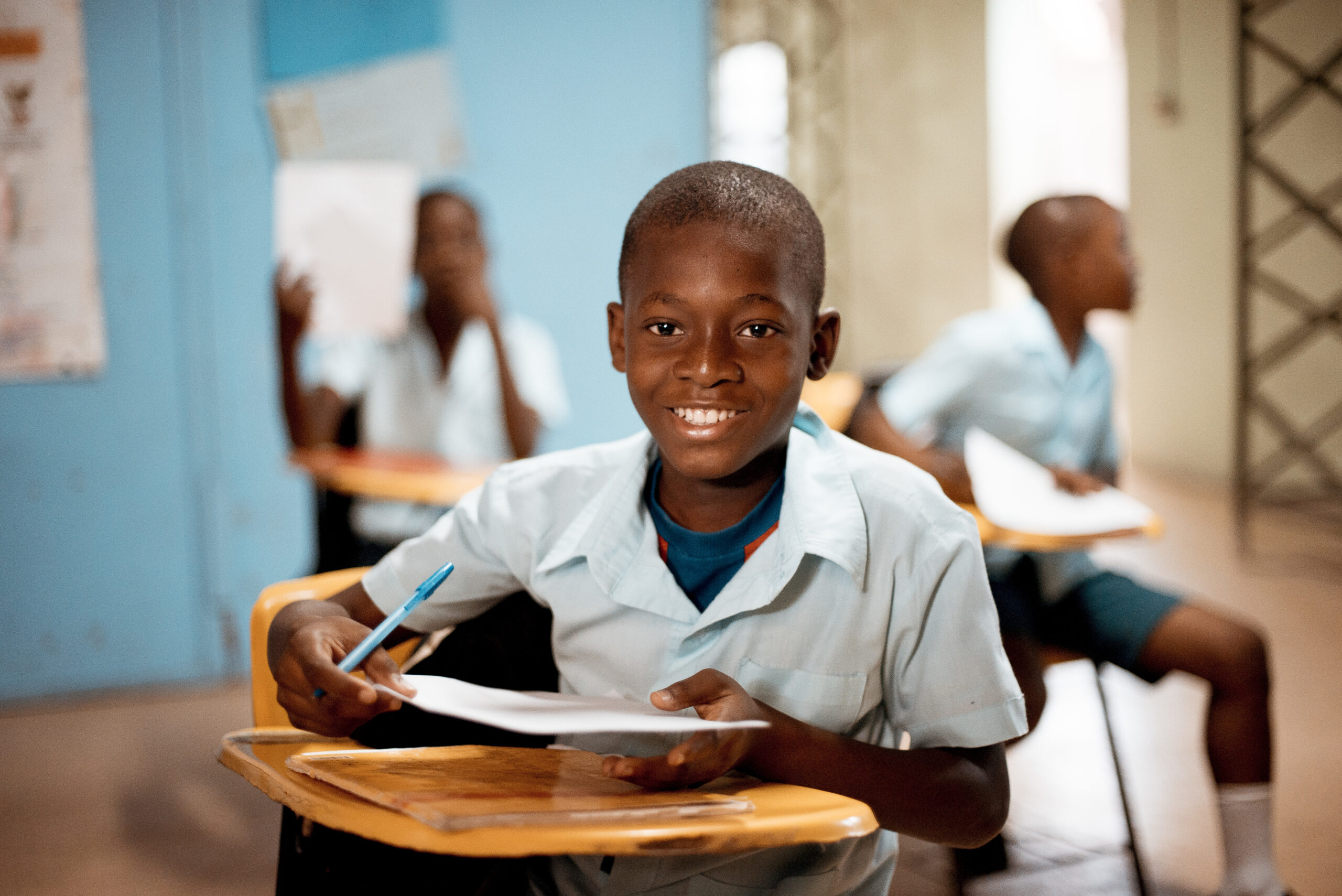
There was a time in Nigerian primary school when every day felt like a carefully arranged routine that you could almost predict with your eyes closed. Before independence of thought came adulthood, there was discipline, structure and a familiar rhythm that shaped how we learned, behaved and even how we made friends. If you went through it, you will remember these traditions clearly.
- Answering register
This was the first real test of presence in the classroom. The teacher called names slowly, sometimes with dramatic pauses that made your heart skip. When you heard your name, you responded quickly with “present sir” or “present madam” with enough volume to prove you were alert. If you were distracted or slow, you risked repetition or suspicion that you were not really in class.
- Morning assembly
This was the grand gathering of the entire school. Lines were formed according to classes, shoes were polished just enough to pass inspection and uniforms were adjusted repeatedly. The national anthem was sung with seriousness, the pledge was recited with hands on chests and announcements followed, ranging from competitions to warnings about misconduct.
- Line up and inspection
Before entering classrooms properly, pupils were often inspected. Nails, hair, socks and shirts were checked. Any sign of untidiness could earn a quick correction or a warning. It was the moment that reminded everyone that presentation mattered.
- Morning devotion or assembly prayers
For many schools, the day included a period of worship or moral instruction. Hymns echoed across classrooms, prayers were said in unison and short reflections were shared. It created a calm pause before lessons began.
- Blackboard and chalk lessons
Before digital boards and screens, the blackboard ruled everything. Teachers wrote with chalk, sometimes filling the board so quickly you struggled to keep up. Pupils copied into exercise books, and mistakes were corrected with firm instructions or the dreaded “write it again”.
- Asking and answering questions
Participation was not optional. Teachers asked questions and expected immediate responses. Even when you were unsure, raising your hand or attempting an answer was part of the process. Silence could easily be interpreted as not paying attention.
- Break time freedom
This was the most loved part of the school day. Food flasks were opened, vendors gathered at corners of the compound and games like catch, skipping and football took over the field. For a short time, structure gave way to laughter and movement.
- Standing to greet teachers
Respect was non negotiable. Whenever a teacher entered the class, everyone stood up to greet. Even when tired or distracted, this rule stayed firm. It was drilled into every pupil as a sign of discipline.
- Punishments and corrections
From kneeling to writing lines or receiving mild cane taps on the palm, corrections were part of the system. While strict, they were meant to enforce order and attention. Most pupils learned quickly how to avoid them by staying alert.
- Closing bell and dismissal lines
The day did not end casually. Pupils formed lines again, sometimes class by class, waiting for final instructions before leaving the compound. The dismissal bell felt like freedom, but also the end of another structured chapter.