

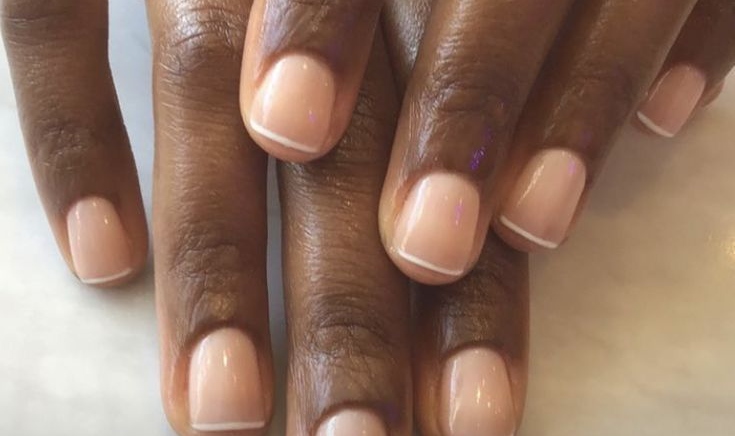
Beautiful nails are not just about having the perfect manicure or applying your favourite nail polish. Healthy nails also need proper care and attention. Unfortunately, brittle nails are a common beauty concern for many people. They tend to break, split, peel or crack easily, making it difficult to maintain long, neat nails.
While brittle nails may sometimes be caused by ageing, frequent use of nail products or exposure to water and cleaning chemicals, certain nutritional deficiencies and health conditions can also contribute to the problem. The good news is that with a few changes to your daily beauty routine, you can improve the appearance and strength of your nails.
Here are some practical ways to care for brittle nails.
1. Keep your nails moisturised
Just like your skin, your nails need moisture to remain healthy. Dry nails are more likely to crack, split and break. Make it a habit to apply hand cream regularly, paying particular attention to your nails and cuticles.
You can also use cuticle oil or a little petroleum jelly to keep the area around your nails moisturised. Apply it before bedtime to give your nails some extra care while you sleep.
2. Avoid excessive exposure to water
Washing dishes, doing laundry, and other household chores often expose your hands to water. Although water is necessary for everyday activities, repeatedly soaking your nails can make them weak and more likely to split.
Wear rubber gloves when washing dishes or using cleaning products. Also, avoid keeping your hands in water for unnecessarily long periods.
3. Be careful when filing your nails
How you file your nails can affect their strength. Filing too aggressively or using a rough nail file can cause the edges to split.
Use a fine nail file and gently shape your nails in one direction rather than moving the file backwards and forwards. Avoid filing your nails when they are wet, as they are more vulnerable to damage.
4. Take a break from nail polish and artificial nails
Regular manicures can make your nails look attractive, but frequent use of nail polish, acrylic nails and gel extensions may contribute to nail damage.
Give your natural nails a break between manicures. If you use gel polish or artificial nails, avoid peeling or forcefully removing them, as this can strip away layers of your natural nails.
Use an appropriate nail polish remover and follow the recommended removal process.
5. Eat a balanced diet
Healthy nails need proper nutrition. Include foods rich in protein, iron, zinc and other essential nutrients in your diet.
Eggs, fish, beans, nuts, leafy vegetables and fruits are good options to include in your meals. Protein is particularly important because nails are primarily made of a protein called keratin.
If your nails remain unusually weak, speak to a healthcare professional about whether nutritional deficiencies could be responsible. Avoid taking supplements without knowing whether you need them.
6. Avoid using your nails as tools
Your nails are not designed to open cans, scrape labels, remove bottle tops or pick at stubborn objects. Using them for these activities puts unnecessary pressure on the nail plate and can cause breakage.
Instead, use the appropriate tools for these tasks. It may seem like a small adjustment, but it can help prevent unnecessary nail damage.
7. Keep your nails at a manageable length
If your nails break easily, keeping them short may be a better option until they become stronger. Long nails are more likely to catch on clothing, furniture and other surfaces, increasing the chances of breakage.
Trim your nails regularly and gently round the edges to prevent snagging. You can still maintain neat, attractive nails without having to grow them very long.
8. Protect your hands from harsh chemicals
Cleaning products, detergents and other household chemicals can dry out your nails and the surrounding skin.
Wear protective gloves when handling these products. If you accidentally get chemicals on your hands, wash them thoroughly and apply moisturiser afterwards.
Also, avoid using your nails to scratch surfaces or handle substances that may damage them.
9. Do not cut or pick at your cuticles
Your cuticles serve as a protective barrier against bacteria and infections. Cutting them unnecessarily or picking at them can cause irritation and increase the risk of infection.
Instead, keep them moisturised and gently push them back only when necessary. If you notice swelling, pain or redness around your nails, seek medical attention.
10. Pay attention to changes in your nails
Sometimes, brittle nails are more than just a beauty concern. Persistent nail weakness, unusual discolouration, changes in nail shape or nails that separate from the nail bed may indicate an underlying health issue.
If your nails remain brittle despite proper care, or you notice other unusual changes, visit a healthcare professional for an assessment.
Caring for brittle nails requires patience and consistency. Do not expect an overnight transformation, as fingernails grow slowly and it may take several months to see noticeable improvements.
The secret is to develop healthy nail care habits…