

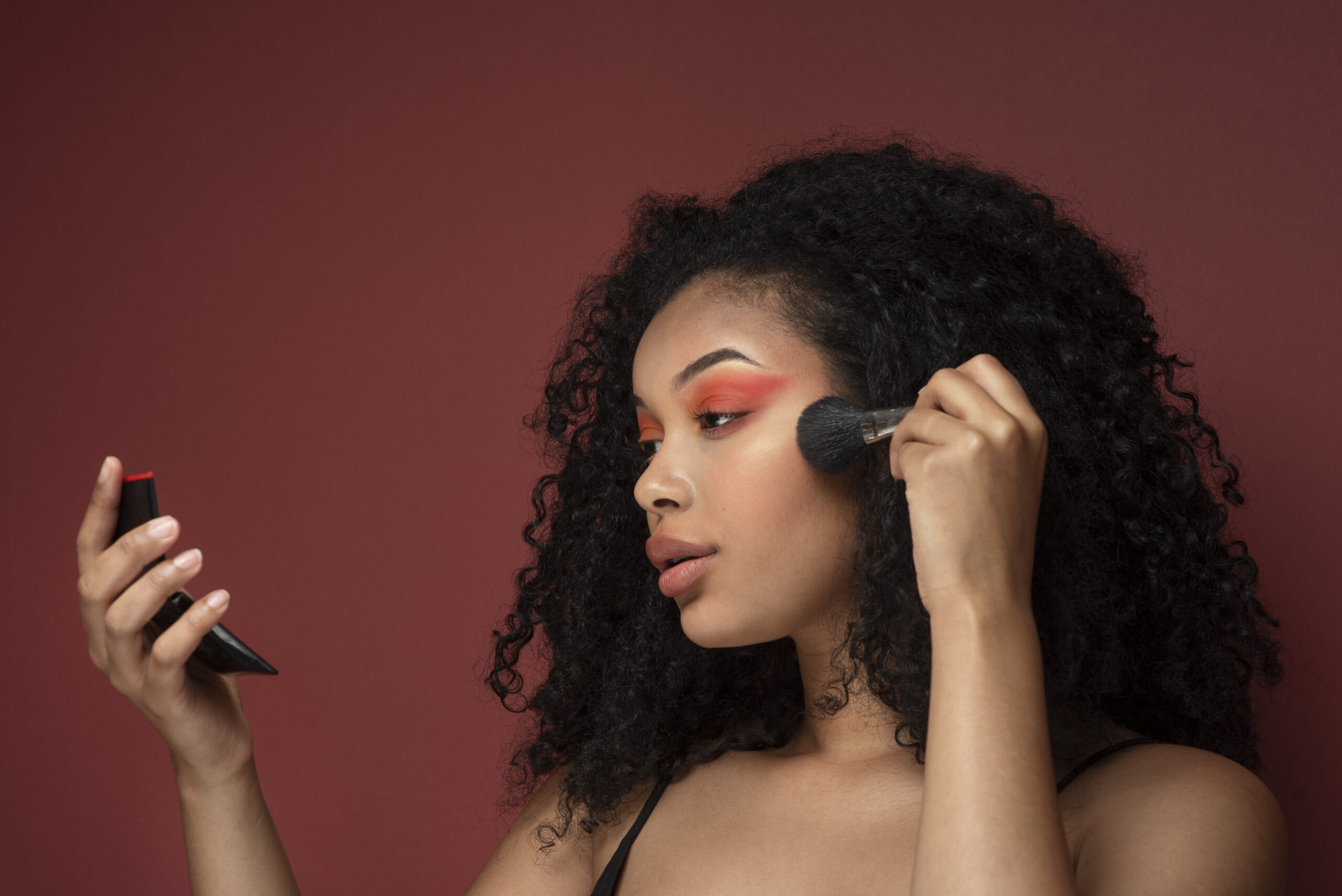
If you have dry skin, applying makeup can sometimes feel like a balancing act. Foundation may cling to flaky patches, concealer can settle into fine lines, and powder may leave your complexion looking dull instead of radiant. The good news is that with the right preparation, products, and techniques, you can achieve a flawless finish that enhances your natural beauty while keeping your skin comfortable throughout the day.
Here are some practical makeup tips for anyone with dry skin.
- Start with proper skin preparation
Beautiful makeup begins with healthy skin. Before reaching for your makeup bag, cleanse your face with a gentle cleanser that does not strip away natural oils. Follow with a rich moisturiser that suits your skin type.
Allow the moisturiser to absorb fully before applying any makeup. This simple step creates a smooth surface and helps prevent makeup from clinging to dry areas.
- Never skip primer
A hydrating primer is one of the best investments for dry skin. It creates a soft base, fills in uneven texture, and helps makeup last longer.
Look for primers that contain ingredients such as hyaluronic acid, glycerine, or squalane, which help attract and retain moisture.
- Choose a dewy foundation
Matte foundations may emphasise dryness, making your skin appear flat or flaky. Instead, opt for foundations with a radiant or natural finish. These formulas usually contain moisturising ingredients that leave the skin looking fresh and healthy.
Apply foundation with a damp makeup sponge rather than a dry brush. The sponge helps press the product into the skin while adding a touch of hydration.
- Use cream-based products
Cream blushes, bronzers, and highlighters blend beautifully into dry skin and create a natural glow.
Unlike powder products, cream formulas do not sit on the surface of the skin or highlight dry patches. They also give the complexion a youthful and healthy appearance.
- Be gentle with concealer
Choose a creamy concealer that offers good coverage without feeling heavy. Apply only where needed, such as under the eyes or on blemishes.
Avoid layering too much product, as excess concealer can crease and draw attention to fine lines.
- Use powder sparingly
Powder is often necessary to set makeup, but too much can make dry skin look even drier.
Apply a small amount only to areas that tend to become oily, such as the sides of the nose or the chin. A light dusting is usually enough to keep makeup in place without sacrificing your glow.
- Add a touch of highlighter
A subtle liquid or cream highlighter can instantly brighten the complexion.
Apply it to the tops of your cheekbones, the bridge of your nose, and your cupid’s bow for a healthy, luminous finish. Avoid glitter-heavy formulas, which can make textured skin more noticeable.
- Keep lips soft and smooth
Dry skin often goes hand in hand with dry lips. Gently exfoliate your lips once or twice a week and apply a nourishing lip balm before lipstick.
Cream lipsticks, satin finishes, and tinted balms are generally more comfortable than matte formulas, which may highlight dryness.
- Refresh throughout the day
Instead of applying more powder when your makeup begins to fade, use a hydrating facial mist. A quick spritz can revive your complexion, reduce any cakey appearance, and restore a fresh finish.
You can also gently press a damp makeup sponge over your face to blend everything back together without disturbing your makeup.
- Remove makeup carefully
At the end of the day, remove your makeup with a gentle cleansing balm or oil cleanser that dissolves makeup without stripping moisture.
Follow with a nourishing moisturiser or overnight cream to help your skin recover while you sleep.
Dry skin does not have to limit your makeup choices. Remember, healthy, well-hydrated skin provides the perfect canvas for makeup that looks effortless and naturally beautiful.