

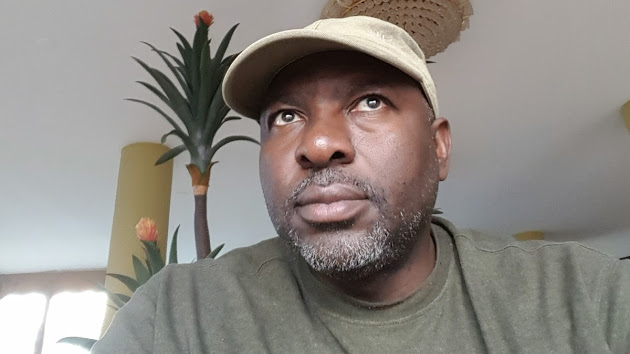
Acting Director-General of the Standards Organisation of Nigeria (SON), Dr Paul Angya, has restated the agency’s commitment to reducing the influx of sub-standard and fake products into the country by 80 per cent before the end of 2016.
He stated that this would go a long way in increasing the capacity for local production as well as fast track the diversification of the country’s economy.
Angya assured that the 2016 target was possible if the International Accredited Firms (IAFs) would continue to do their job of stopping the influx of sub-standard products into the country.
Fielding questions from newsmen in Lagos during a meeting with IAFs, to intimate them of the new change in leadership of SON, he reiterated that the objective of stopping the influx of sub-standard products into the country was paramount to the organization and warned them to brace up for the challenges ahead.
Angya said: “If we can stop the influx of sub-standard products into Nigeria, we will increase the local production of goods as we are taking the war to the countries that are bringing in the bad products, to stop them from coming here, which is also why we decided to meet with the IAFs, to let them know that despite the recent change in leadership, the objective is still the same as the SONCAP programme is key to us and we intend to strengthen it”.
“SONCAP is pivotal to SON’s mandate to rid the nation of sub-standard products. It is visible and it is an ongoing reform and If SON wants to succeed in ridding the nation of fake products, then the programme must be kept close to our hearts .That is why it is one of the first things I am doing and why we are meeting the IAFs”,he asserts.
He said to achieve the goal, operational meetings will now be quarterly as they understand the mandate is to provide safe and valuable products to Nigerians while positing that there are no problems with made in Nigeria products , because production is subject to SON’s review with the problem being with what comes from outside the country.
Tracing the genesis of SONCAP, he said the amount of money and manpower being wasted in destroying sub-standard products entering the country was the push factor for them to decide to look for ways to stop the products from entering ,hence SONCAP in 2005.
He said he could claim to have started the programme as he was the one that drafted the details and agreement with international bodies, making him aware of the critical role SONCAP has to play in battling fake products.
“The SONCAP programme has been reviewed overtime to make it more effective, with the last review coming in December 2015. We reviewed the programme managers, the people doing it for us outside the country and we carried out a tour to see if they are doing our bidding and we made suggestions to what we saw and how effective they can always do their job”, he added.
He said: “All the reviews were carried out for the simple reason that there are some people who are always trying to break the rules; so we never stop with strategizing. There is an enforcement and inspectorate unit to look at products in the market, to seize sub-standard products and normally we ought to be at the ports to seize the products at the point of entry. But we are where the government stipulated for us and we making sure we doing our best to protect the Nigerian market”.
IAFs are firms working under SON to achieve the SONCAP mandate by monitoring the quality of foreign products entering the country.
Responding, the Managing Director and Chief Executive officer of Intertek, an IAF, Mr Victor Faleye said :”the Acting DG is part of the SONCAP programme, so nothing can bamboozle him and we are extending our hand of fellowship to him”.
“We will continue to do our best to make the programme work. Remove sub-standard products from the market will be a reality. We are fully committed to the ideals of the programme. No scheme or operation is perfect. Corrective criticism is welcome by us and we will continue to meet up”, he added.